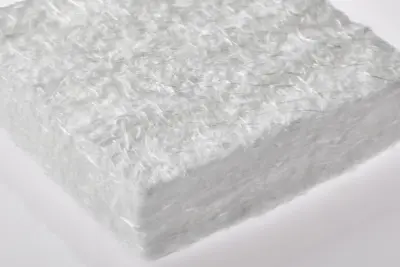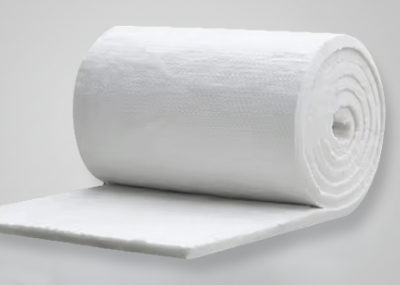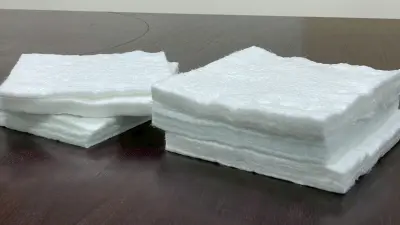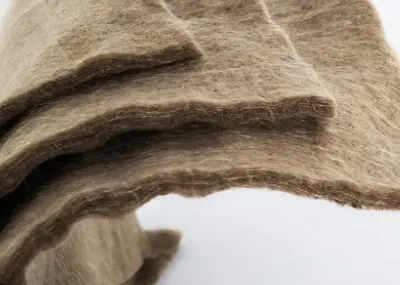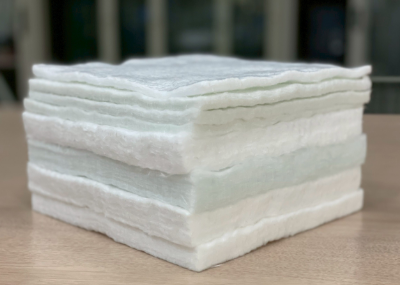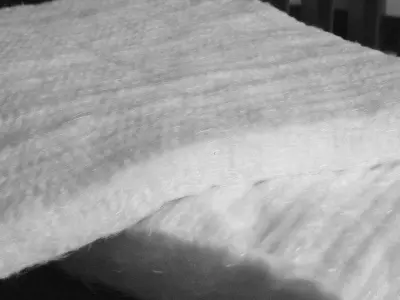
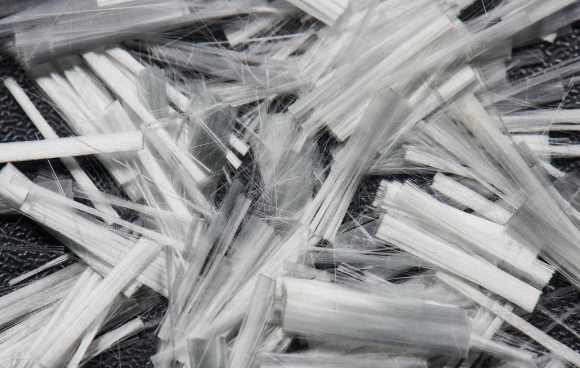
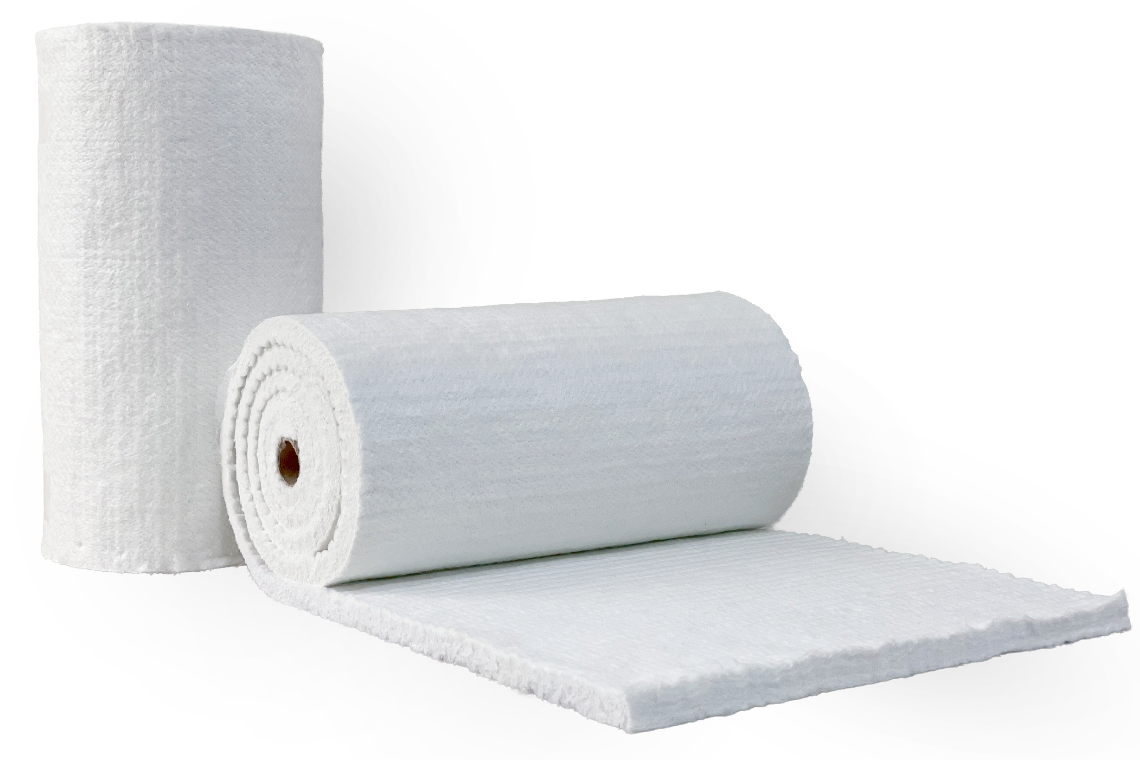


S Glass Fiber Needle Mat (850°C)

Engineered for the most extreme temperature zones in both automotive exhaust systems and demanding industrial environments, LFJ's S-Glass Fiber Needle Mat delivers 850°C continuous performance, the peak glass fiber insulation solution for engine-adjacent exhaust sections, high-temperature industrial furnaces, petrochemical high-heat processes, and any application where material performance at the top of the glass fiber temperature range is non-negotiable.
Product Overview
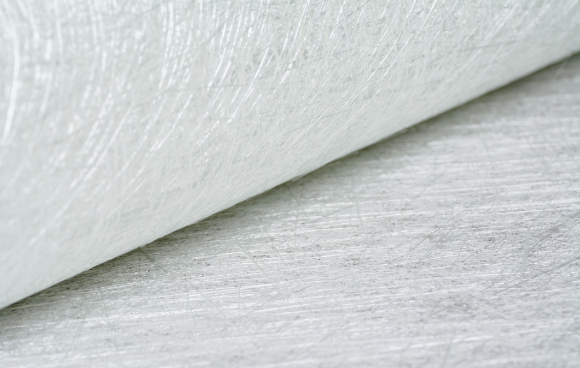
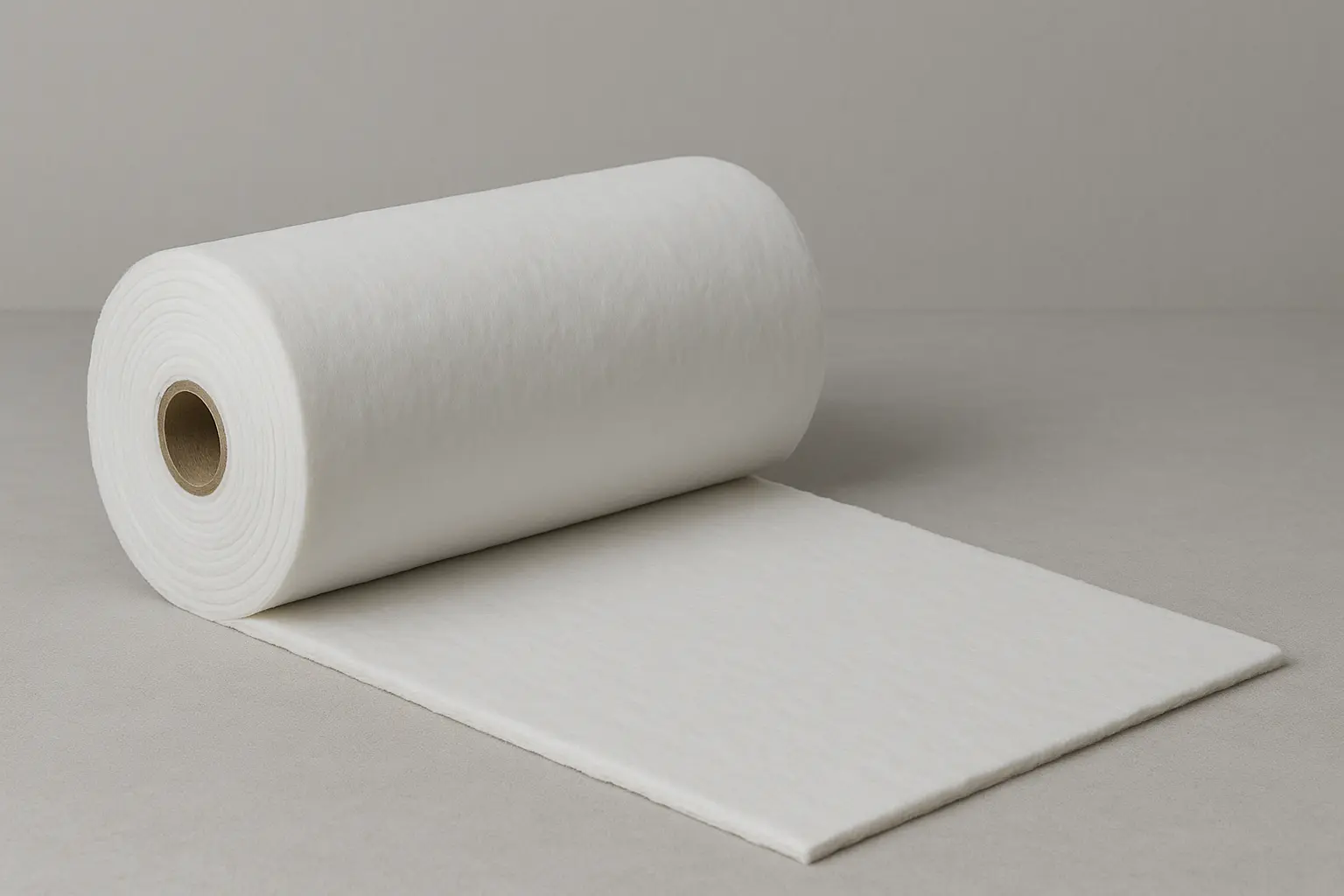
Some temperature environments demand the best glass fiber has to offer. LFJ's S-Glass Fiber Needle Mat manufactured from high SiO₂ content, delivers a continuous service temperature of 850°C, making it the peak-performance glass fiber needle mat for both automotive and industrial applications where operating conditions reach the upper boundary of the glass fiber performance range.
In automotive and motorcycle exhaust systems, S-Glass serves as the anchor material for the most extreme temperature zones: the engine manifold outlet, turbocharger-adjacent sections, and any point in the exhaust path where sustained temperatures reach 850°C. Combined with the zone-matched approach LFJ developed from real customer temperature data , pairing S-Glass in the hottest sections with OS-Glass (800°C), ECR (750°C), and E-glass (650°C) downstream — engineers achieve complete system thermal coverage at the lowest possible total material cost.
Beyond the exhaust system, S-Glass at 850°C addresses a wide spectrum of demanding industrial applications. High-temperature industrial furnaces in steel, ceramics, glass, and chemical processing; petrochemical plant high-heat pipelines; power generation equipment operating at elevated process temperatures; and industrial kiln insulation are all environments where S-Glass provides reliable, long-service-life thermal protection. The elevated SiO₂ content that defines S-grade glass delivers not only superior temperature resistance, but higher tensile strength and lower thermal expansion than E-glass or ECR, critical mechanical properties in applications subject to thermal cycling, vibration, and mechanical stress.
Manufactured in Taiwan and Mainland China under ISO 9001 and IATF 16949 certification, available in custom thicknesses, densities, roll dimensions, and preformed configurations for both automotive OEM and industrial supply requirements.
Key Features
- Binder-Free Needle Punch Construction
- High SiO₂ Content
- 850°C Continuous Temperature Resistance
- Peak Glass Fiber Solution for Exhaust & Industrial Applications
- Superior Tensile Strength & Low Thermal Expansion
- Anchor Material for Multi-Zone Insulation Systems
Main Applications
- Engine Manifold & Turbocharger-Adjacent Exhaust Insulation
- Motorsport & High-Performance Exhaust System Components
- OEM 850°C Specified Thermal Management Parts
- High-Temperature Industrial Furnace & Kiln Insulation
- Petrochemical High-Heat Pipeline Wrapping
- Steel Mill & Foundry Heat Shielding
- Power Plant High-Temperature Equipment Insulation
- Thickness: 2mm~25mm
- Width : Max. 3.3m
- Length: Max. 150M
- Density: 80~220 kg/m³
- Color: White
- Combustibility: Non-Combustible
( √ Specified specfications on request )
Match the right needle mat to the actual temperature at each zone — in automotive exhaust systems and industrial high-temperature environments.
1. What industrial high-temperature environments is S-Glass Needle Mat designed for, beyond automotive exhaust?
S-Glass at 850°C is suited to any industrial application where sustained process temperatures reach the upper limit of the glass fiber performance range. Key industrial applications include high-temperature furnace insulation in steel, ceramics, and glass manufacturing; kiln heat shielding in chemical and mineral processing; high-heat pipeline wrapping in petrochemical plants and refineries; boiler and heat exchanger insulation in power generation; and foundry equipment heat shielding. Wherever 800°C is insufficient and the process demands the full capability of S-grade glass fiber, this is the material.
2. How does using S-Glass only where temperatures demand it reduce total insulation cost?
Applying S-Glass throughout an entire exhaust system or industrial pipeline — regardless of the actual temperature at each position — means paying for premium material performance in zones where a lower-grade material would perform equally well. By reserving S-Glass for the genuine 850°C zones and pairing OS-Glass (800°C), ECR (750°C), or E-glass (650°C) in progressively cooler sections, manufacturers achieve complete thermal coverage at significantly lower total material cost. LFJ's technical team can assist with zone temperature analysis and material specification for both automotive and industrial applications.
3. Can LFJ supply S-Glass Needle Mat in configurations suited to industrial insulation wrapping and jacketing?
Yes. Beyond roll material for wrapping applications, LFJ supplies S-Glass Needle Mat in preformed pipe sections, removable insulation jacket configurations, and custom die-cut shapes suited to valves, flanges, and irregular industrial equipment geometries. Custom thickness (3–25mm), density (100–220 kg/m³), and dimensions (up to 3,300mm wide, 150m per roll) are all available. Contact our technical team with your industrial application specifications to discuss the right configuration.