

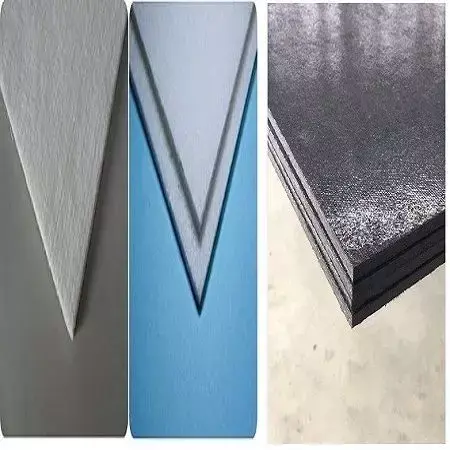
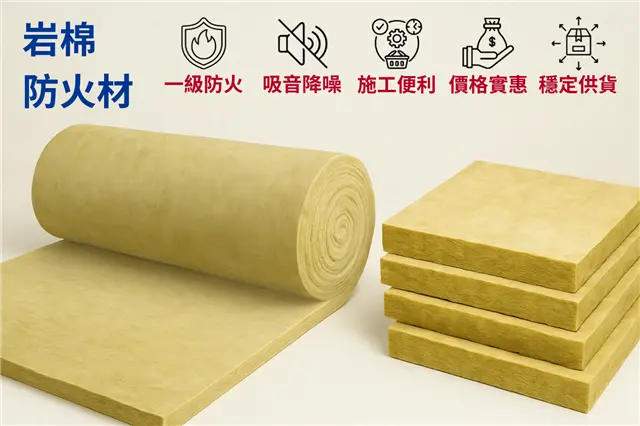
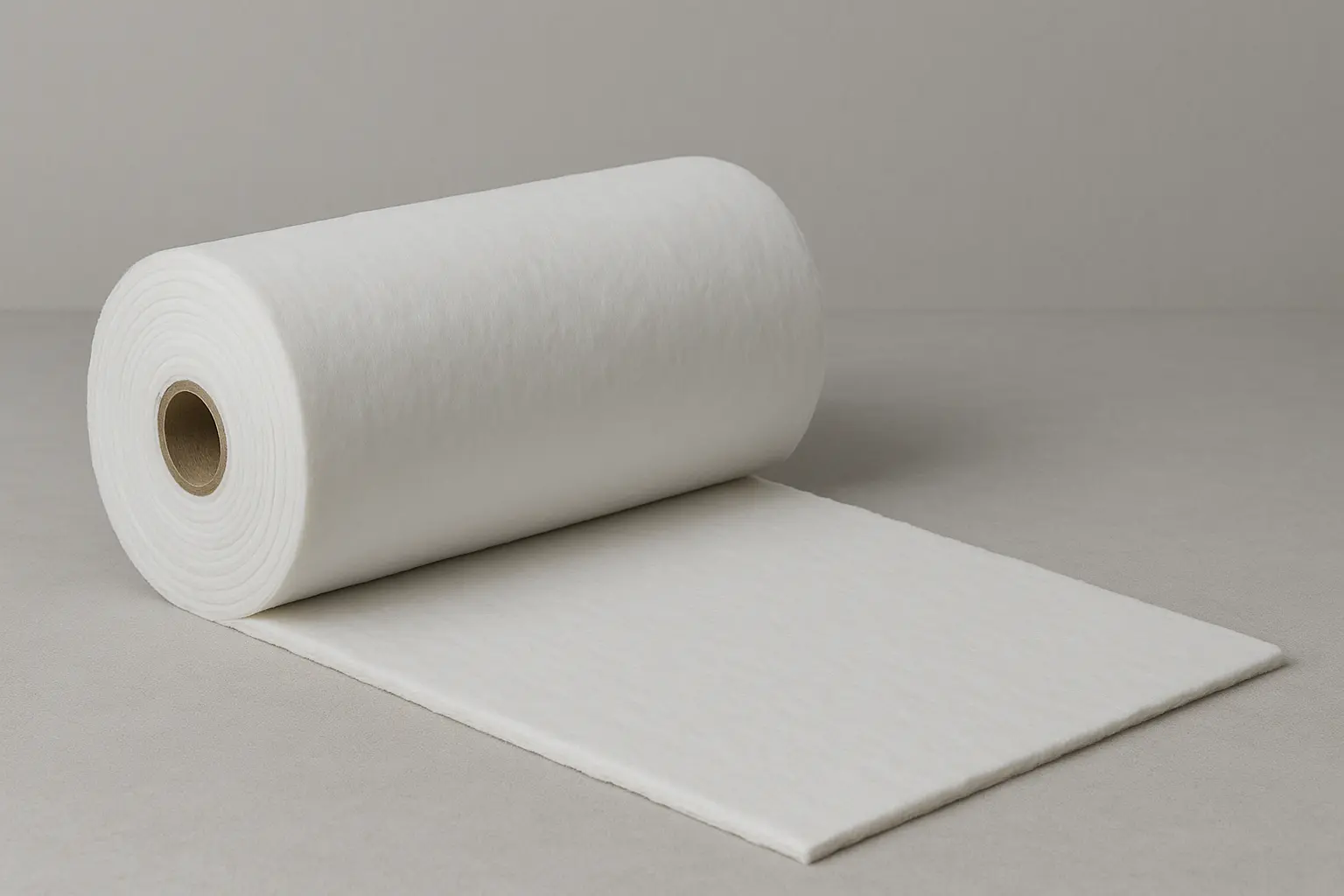
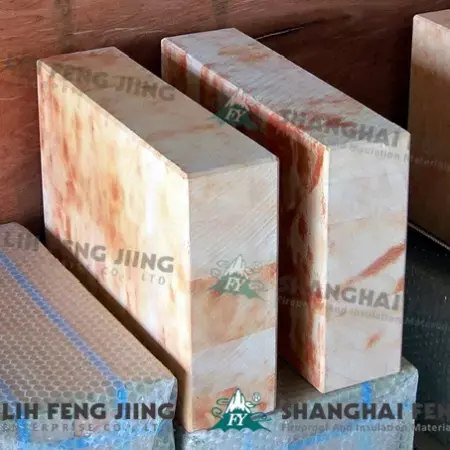
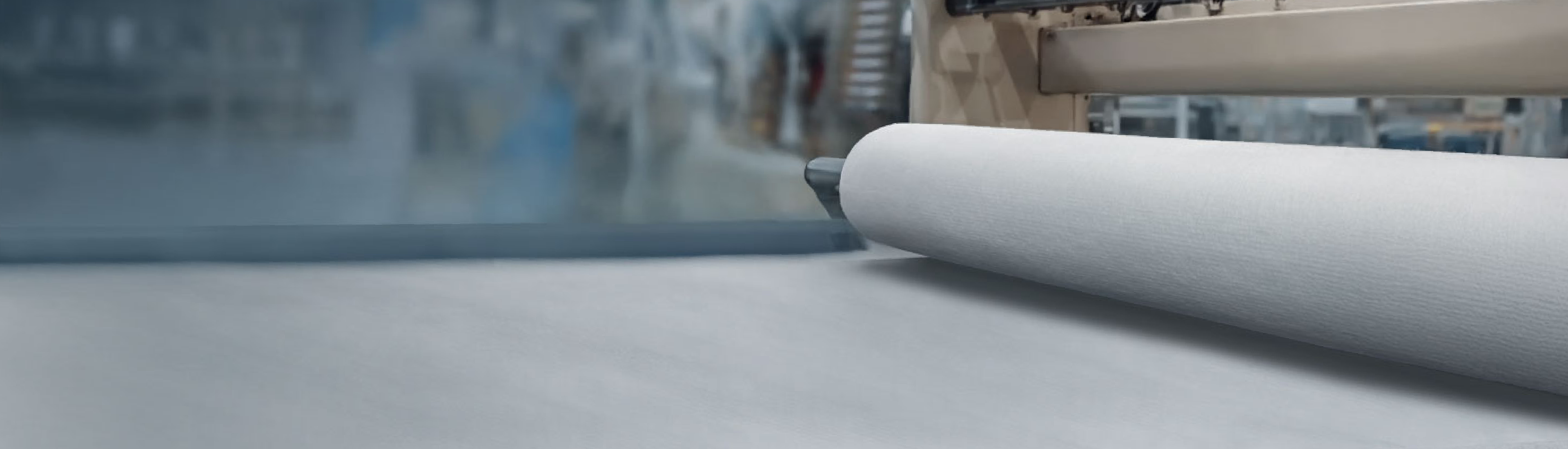
Ceramic fiber board

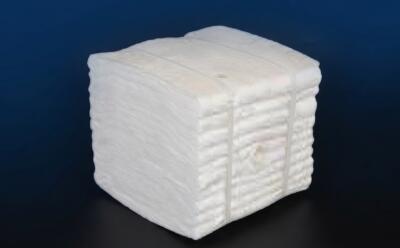
Ceramic fiber board, a vacuum-formed rigid sheet material, possesses mechanical strength suitable for use as self-supporting hot panels, burner bricks, furnace door linings, and as a backing insulation layer behind refractory bricks. It can be precision machined and maintains dimensional stability under continuous high-temperature loads.
Product Overview
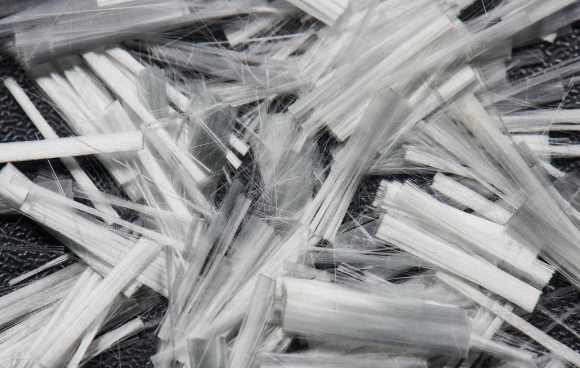
Ceramic fiber board exists to address applications where fiber blankets cannot. It is used in any situation where insulation needs to maintain its shape, bear loads, or be machined to specific dimensions. For example, furnace door linings must remain flat when the door swings; burner bricks must maintain pore sizes concentric with the flame; and there is no supporting structure behind spanned hot panels. The boards are vacuum-formed from fiber slurry into a rigid body, dried, and then cut into squares. Unlike blankets, they can be sent to a processing plant and return as finished products.
Density is a key specification decision here, and it represents a genuine trade-off, not a one-way scale where higher is always better. Lifengjing's ceramic fiber panels offer better insulation and lower cost, but they are prone to warping over spans and edge chipping during processing. Panels with a density of 350 to 400 kg/m³ are clean to process, maintain sharp angles, and are load-bearing, but have higher thermal conductivity and heat storage. Low density should be specified for backing insulation and non-structural panels; high density should be specified for processed parts, hot-panel panels subjected to mechanical stress, and any locations where fasteners pass through the panel. To add honestly: vacuum forming requires adhesives, therefore the panels contain a small amount of organic matter. This organic matter will burn off during the initial heating, producing smoke. Afterward, the panel maintains rigidity through the interlocking of the inorganic adhesive and fibers, but edge brittleness increases. Lifengjing specifies the adhesive content and loss on ignition in each specification sheet.
Product Core Features
- It can bear its own weight at high temperatures.
- Precision machining
- Compared to dense refractory boards, it has a significantly lower heat capacity.
Main applications
- Industrial kiln wall and roof hot surface lining
- Heat insulation for boiler, pyrolysis furnace, and annealing furnace shells
- High-temperature process piping and duct wrapping
- Furnace door and maintenance door panel lining
- Refractory bricks or castable backing insulation layer
- Removable insulation sleeve inner filling material
- Fire door interlayer and passive fire-resistant components
Product Specifications
Classification temperature | 1260/1400/1600°C |
Recommended continuous use temperature | 1000–1100°C / 1200–1250°C / 1350–1400°C |
Standard thickness | 25-100mm |
Standard density | 250-400kg/m³ |
Standard sheet size | 600mm x 1000mm / 1200mm x 1000mm |
We can provide price quotes for specific specifications upon request.