

High Silica Fabrics (Pre-Shrinking and Treatment Available)

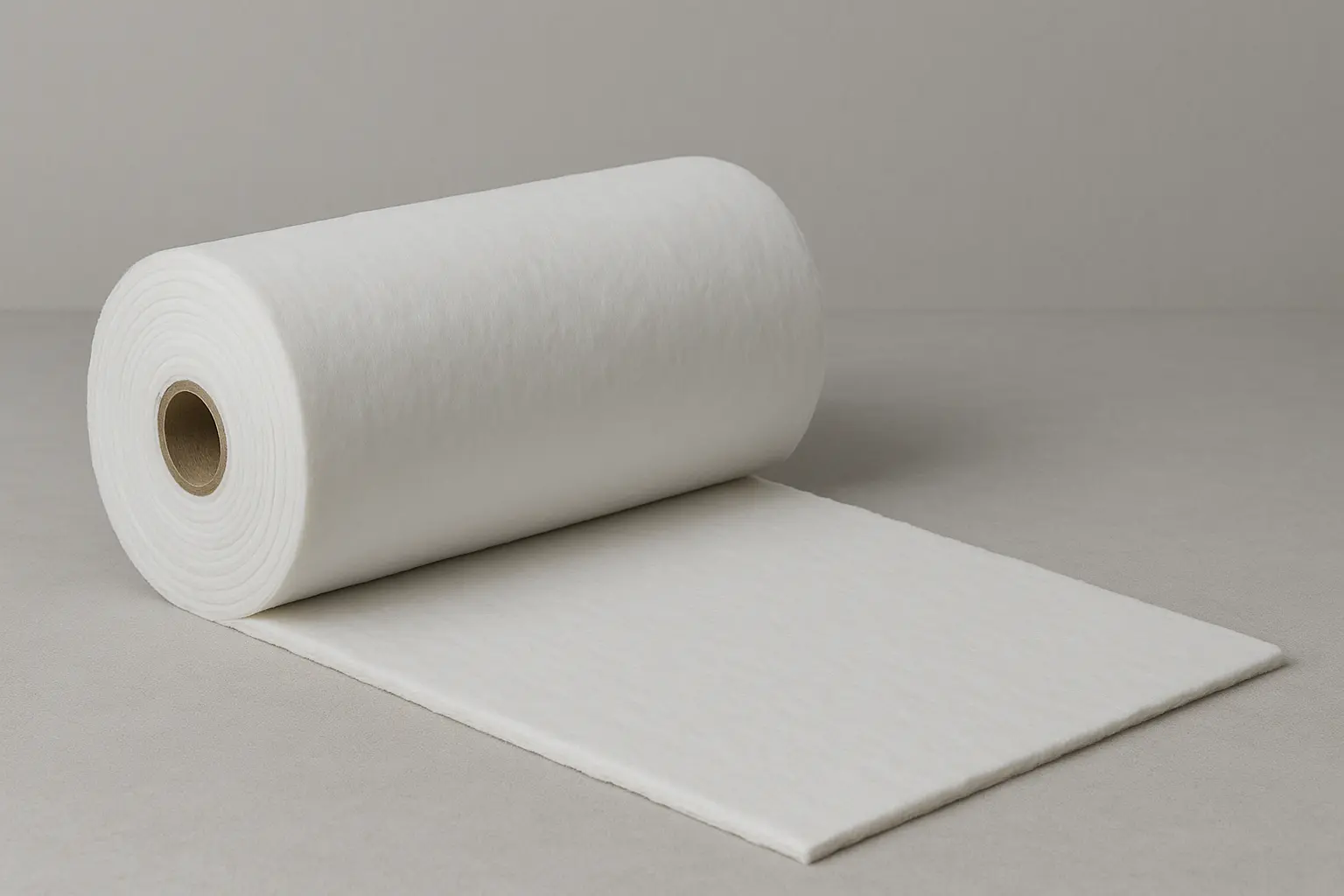
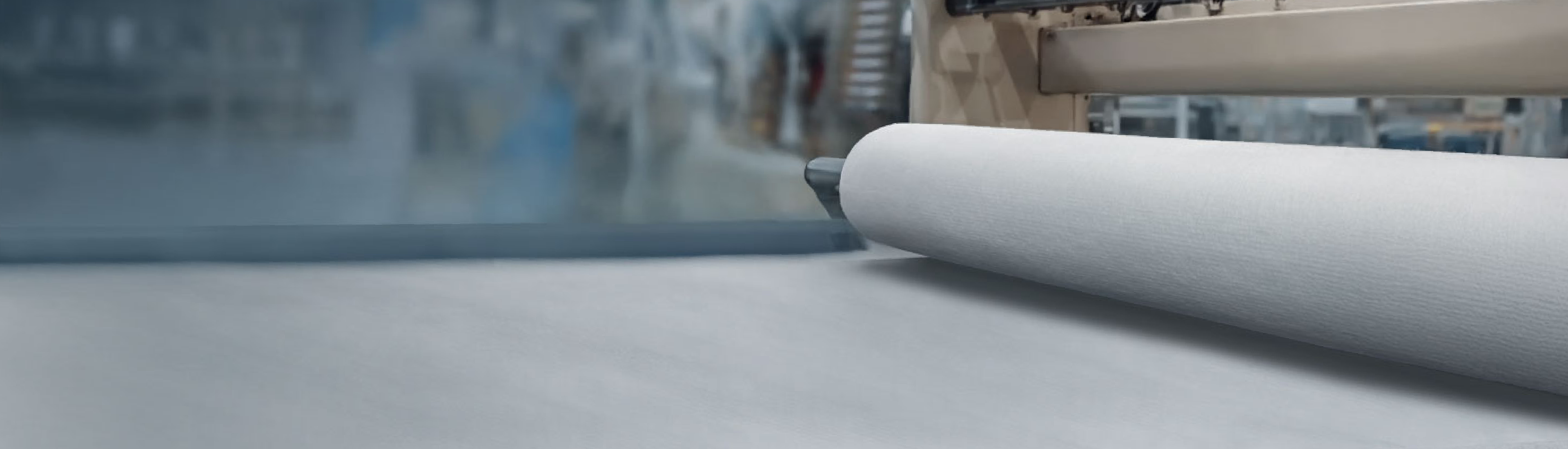
LFJ's high silica fabrics, over 96% SiO₂, continuous 1000°C, 1100~1250°C short-term. Supply in Tainan and Qidong, available plain fabrics, pre-shrunk or coated. If you are cutting jackets to fit, specify pre-shrunk. If there is slag splash on your floor, pair it with a vermiculite coating. Send us your operating temperature and a drawing for a quotation.
Product Overview
The high silica fiber is made by acid-leaching glass fiber to strip out the non-silica oxides, leaving fiber at over 96% SiO₂. That pushes the temperature ceiling to 1000°C, with a softening point around 1720°C.
The softening point is worth a second look. Standard E-glass runs at 550°C and softens at 840°C — 290°C between them. High silica runs at 1000°C and softens at 1720°C — 720°C. For petrochemical and steel customers, what that margin means in practice is that a process excursion of 300 or 400 degrees will soften glass fabric and will not touch high silica. Some customers whose normal operating temperature is only around 700°C still specify high silica, and that margin is what they are buying.
The fabric itself is non-combustible, asbestos-free, does not irritate skin, and is a decent electrical insulator.
Whether to add pre-shrinking?
High silica fabric shrinks the first time it reaches working temperature. That is fiber behaviour, and it applies to every supplier's material. The only difference is whether it has been dealt with beforehand.
The problem lies in the timing of the shrinkage. The dimensions were correct when you inspected the goods, but the shrinkage only started after the equipment was installed and run for a few days. The insulation sleeve, which was originally cut perfectly, developed a gap at the seam; the wrapped fabric loosened; and the protective cover sewn according to the instructions deformed. At this point, the material itself was not damaged, but it was unusable and had to be remade.
Our practice is to run the fabric through a heat cycle in our own factory before shipping to allow it to shrink completely. The fabric you receive is already at a stable size, so you can cut it to the exact desired size.
Determining whether to add fabric comes down to one question: how important is the size of this piece of fabric? If it's to be cut into an insulation sleeve, sewn according to a pattern, and the seams need to be tight, then add fabric. If it's for filling, as a backing, or if your process will already involve pre-firing the fabric, then raw fabric is fine.
Whether to add coating?
Coating is there to handle a specific problem: slag sticking to the surface, abrasion, oil, radiant heat.
How to send us an enquiry?
We do not need much, but these few things speed it up: operating temperature, the highest temperature you could see in an upset, the shape of what you are covering, and what you are protecting against — heat, slag, oil, abrasion. A drawing is ideal. Site photographs work too.
We will come back with a recommended weight, weave (plain, twill or satin), whether pre-shrinking is needed, and which coating if any. If it turns out standard fiberglass fabric will do the job, we will tell you that instead. Pushing an expensive grade at someone who does not need it is how you lose the next order.
All four finished states are available: greige, pre-shrunk, coated, and pre-shrunk plus coated. Finished parts — removable jackets, furnace door covers — are sewn in our own plants rather than subcontracted.
Features
- SiO₂ content above 96%, continuous operating temperature 1000°C
- The softening point is approximately 1720°C, providing ample margin for abnormal temperature increases.
- Three finished finish options are available: plain fabric, pre-shrinked fabric, and coated fabric.
Main applications
- Insulation and protection around high-temperature furnaces and kilns
- Molten metal splash protection in steel mills and foundries (with vermiculite coating)
- Petrochemical hot pipework, valve and flange covering (pre-shrunk recommended)
- Base fabric for 1000°C-class removable insulation jackets (pre-shrunk recommended)
- High-specification welding blankets and cutting protection
- Furnace door seals and expansion joint covers
- Hot-zone protection in semiconductor equipment
- Base fabric for high-temperature protective clothing
- Material: Silicon fiber, SiO₂ > 96%
- Continuous operating temperature: 1000°C
- Softening point: 1720°C
- Weave: Plain weave / Twill weave / Satin weave
- Weight: 300~1400 g/m²
- Thickness: 0.3~2.0 mm
- Color: Off-white or light brown (depending on processing condition)
- Flammability: Non-flammable
- Asbestos: Not included
- Finished condition: Plain fabric / Pre-shrink / Coated / Pre-shrink + Coated
- Coating options: Vermiculite / Aluminum foil / Silicone / Teflon / PU / Acrylic
- Pre-shrinkage: Customized
(√ Specific specifications can be provided upon request)
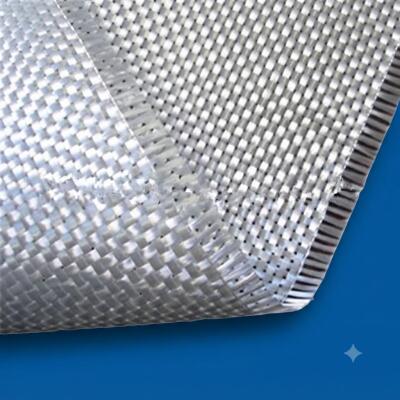
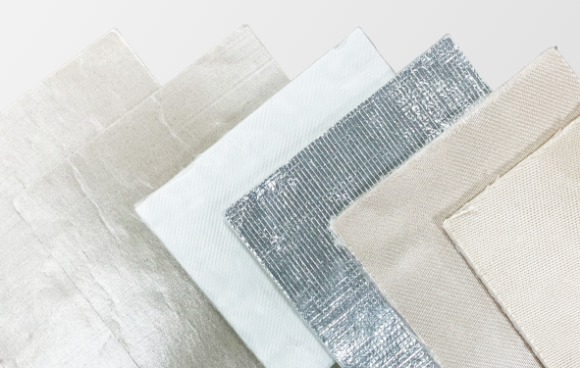
Plain cloth
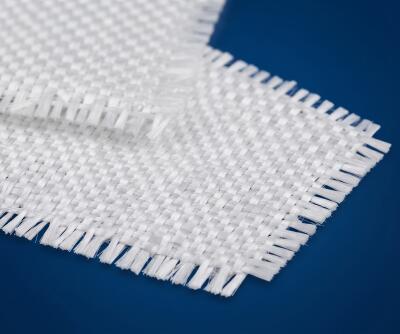
Pre-shrink fabric
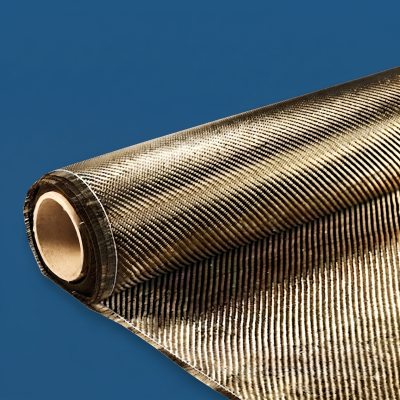
Coated fabric
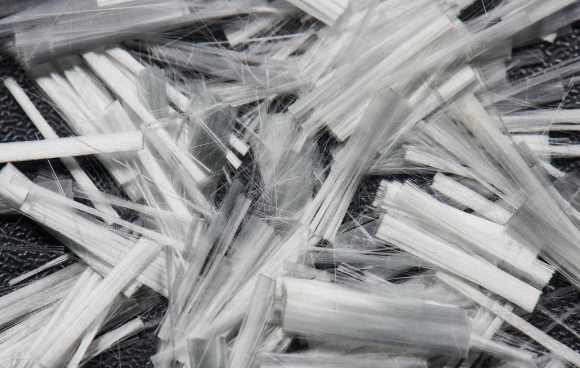
Pre-shrink + coating
Finished parts – sewn according to drawings into detachable insulation sleeves, furnace door covers, protective covers, etc.
1. Once it is coated, is it still a 1000°C fabric?
Usually not. Every coating has its own limit and the fabric gets pulled down to it.
Two ways to keep 1000°C. One is **vermiculite coating**, which works above 1000°C and handles slag well; it is what almost every steel and foundry job uses. The other is to **coat the cold face only**, leaving the hot face bare so the coating limit never becomes the constraint. That is common on the outer layer of insulation jackets.
2. When do I definitely need pre-shrinking?
Whenever the finished dimension matters.
High silica fabric shrinks the first time it reaches working temperature. That is fiber behaviour, not a quality problem, and it is the same for everybody's material. The issue is that it happens after the equipment starts running, not while you are inspecting the delivery. So the pattern we see is: jacket fitted, two weeks later the seam has opened; wrapped fabric goes slack; a sewn cover distorts. The material is fine, the dimension is not, and it gets remade.
Anything cut into jackets, sewn to a drawing, or relying on a closed seam should be pre-shrunk. Loose packing, backing layers, or fabric that your own process fires first — greige is fine, no need to spend the extra.
Pre-shrinking and coating can both be applied to the same fabric, which is the usual combination on finished parts.