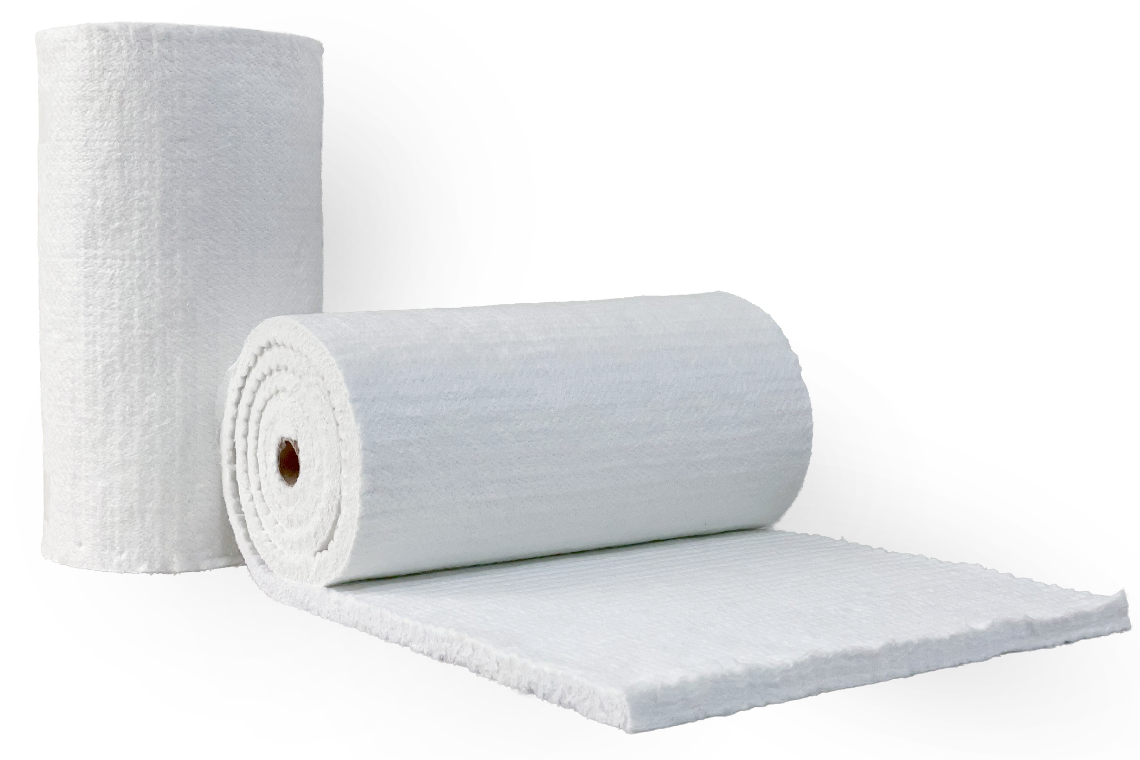
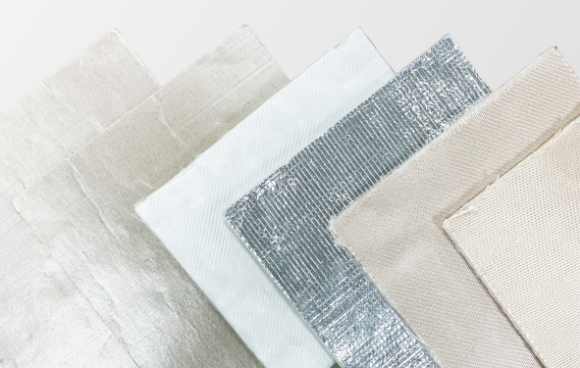
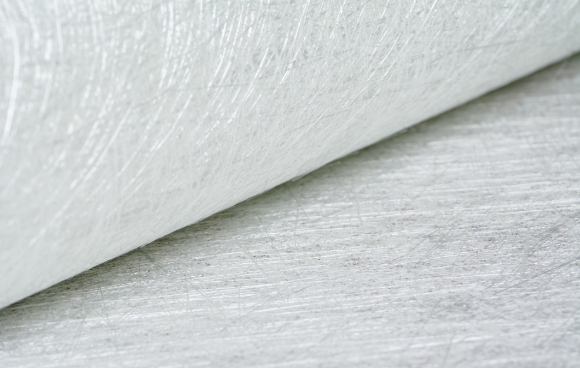

Stitching Bonded Needle Mat

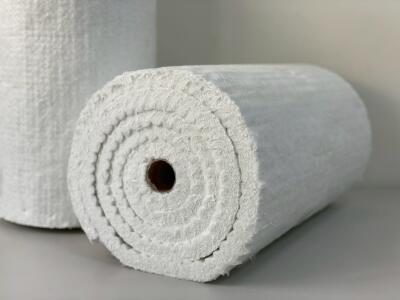
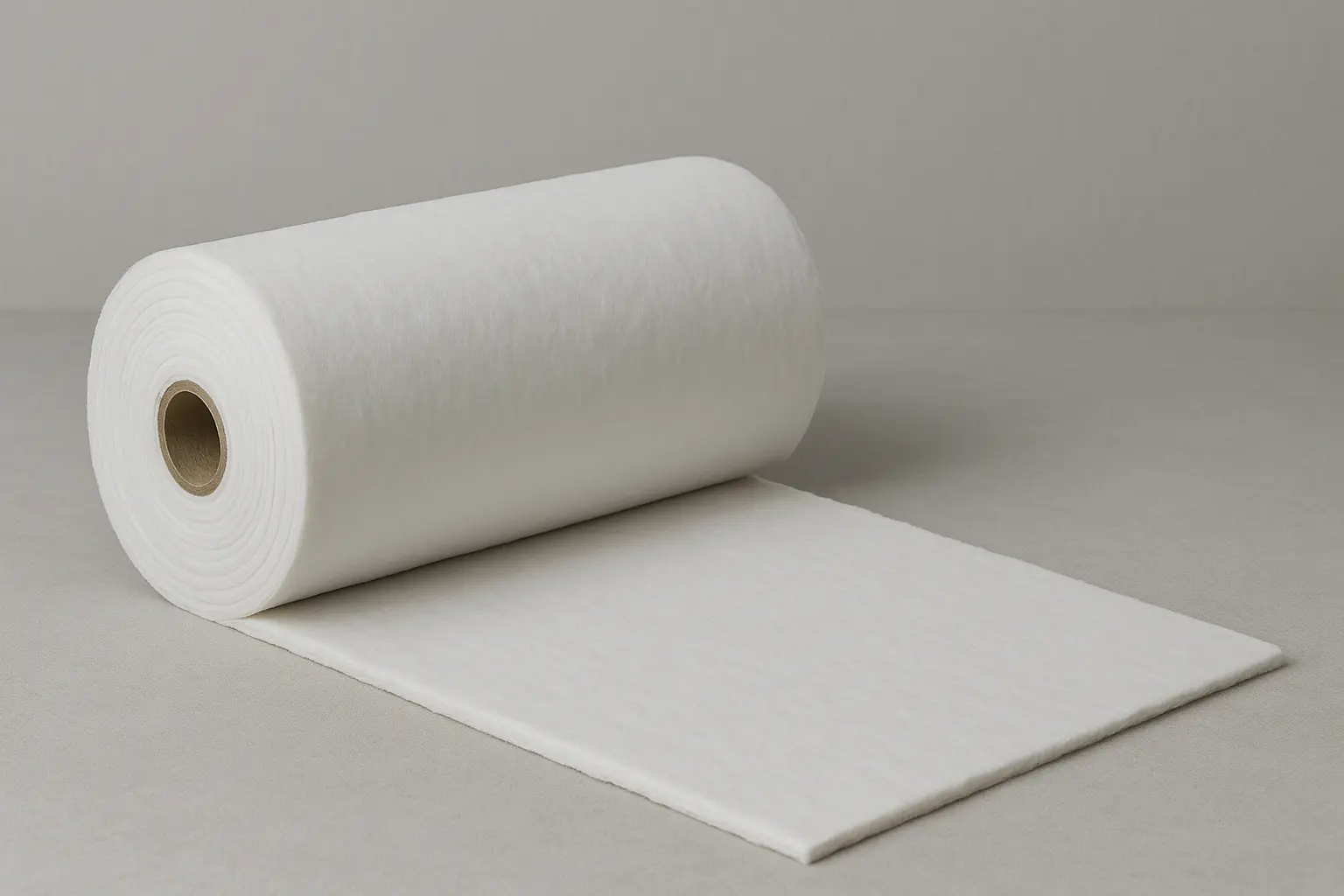
Through advanced stitching techniques, we mechanically reinforce the needle mat. This process effectively prevents fiber shedding and ensures the material retains its dimensional shape under severe vibration and high-velocity airflow, making it highly preferred for automotive exhaust systems and industrial mufflers.
Product Overview
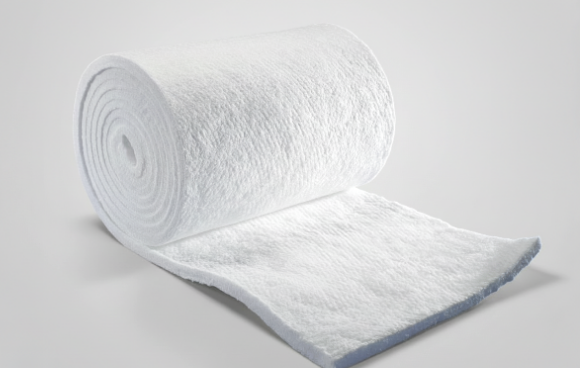
Standard insulation mats can suffer from structural degradation and fiber shedding when exposed to extreme physical stress. LFJ’s Stitching Bonded Needle Mat is specifically developed to overcome these challenges. Through advanced deep-processing stitching techniques, we mechanically reinforce our premium needle mats with high-temperature resistant threads.
This interlocking process significantly enhances the structural integrity of the mat, effectively preventing fiber shedding. It ensures the insulation material perfectly retains its dimensional shape and acoustic performance even under severe continuous vibration and high-velocity exhaust airflow, making it the highly preferred thermal and acoustic barrier for automotive exhaust systems and heavy industrial mufflers.
Key Features
- Ultimate Anti-Blowout Durability
- Binder-Free
- Structural Stability & High Flexibility
Main Applications
- Automotive & Motorcycle Exhaust Systems
- Heavy Machinery & Generators
Technical Specifications
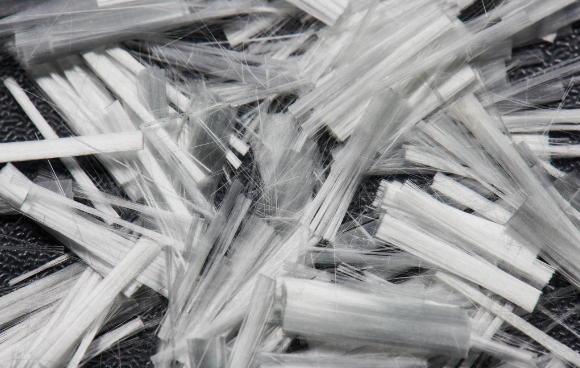
Base Material | E-Glass, ECR Glass, High Silica Needle Mats |
Thickness | 3 mm ~ 25 mm |
Width | Max. 3.3 m |
Length | Max. 150 M |
Density | 80 ~ 220 kg/m³ |
Stitching Thread | High-Temp Fiberglass Thread / Stainless Steel Thread |
Stitching Pattern | Can be customized |
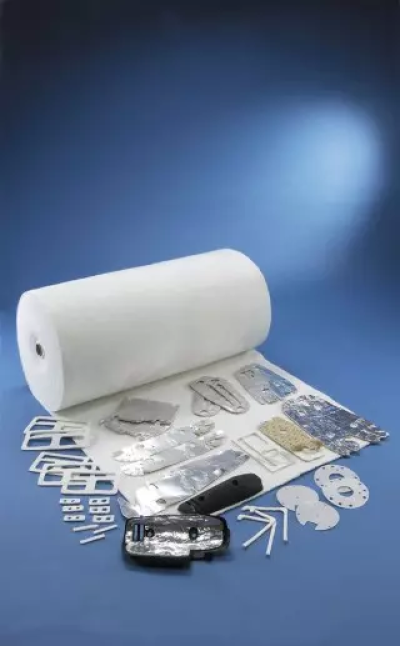
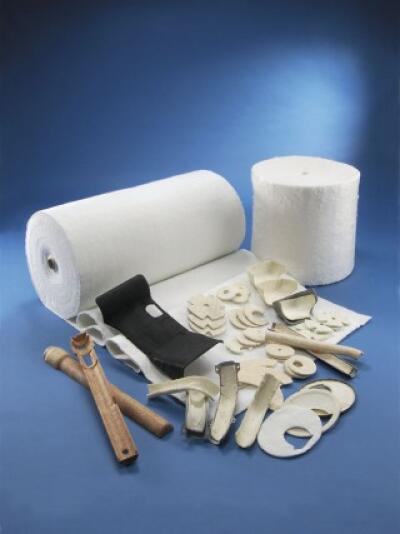
Form Factor | Continuous Rolls or Custom Die-Cut Parts |
Specified specifications on request
Series of Products
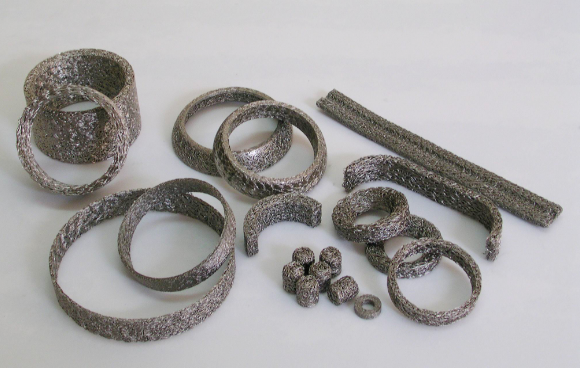
- Customized Die-cut Parts
FAQ
1. Will the stitching threads melt or burn off under high-temperature conditions?
No. We do not use standard textile threads. LFJ exclusively utilizes high-temperature resistant sewing materials, such as specialized fiberglass threads or stainless steel wire threads, depending on your application's thermal requirements. This ensures that the structural stitching remains completely intact even when operating continuously at temperatures ranging from 650°C to 1000°C.