

Fiberglass Fabrics(Surface Treatments Available)

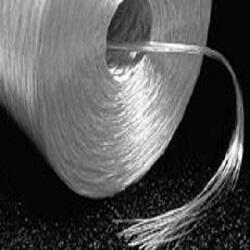
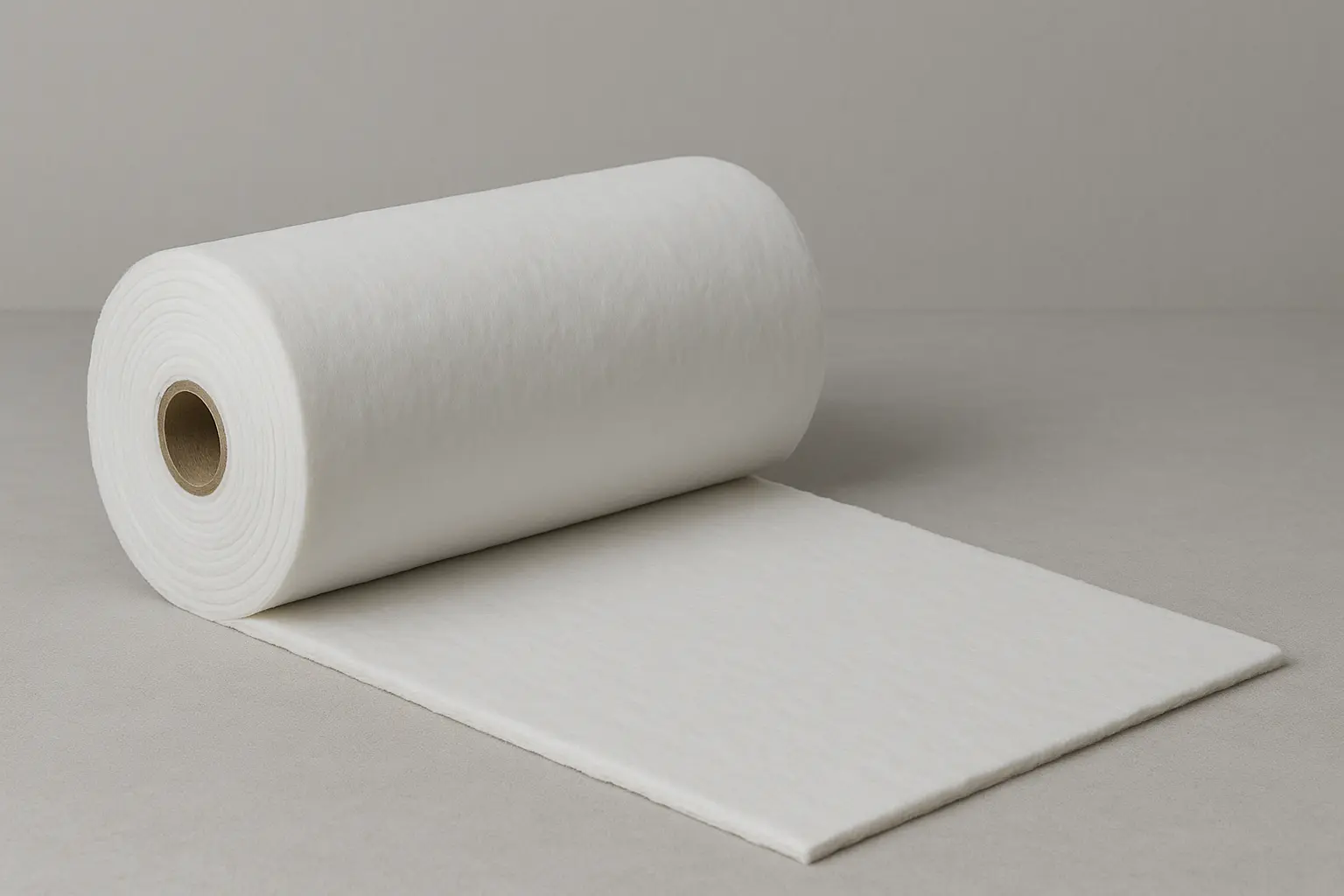
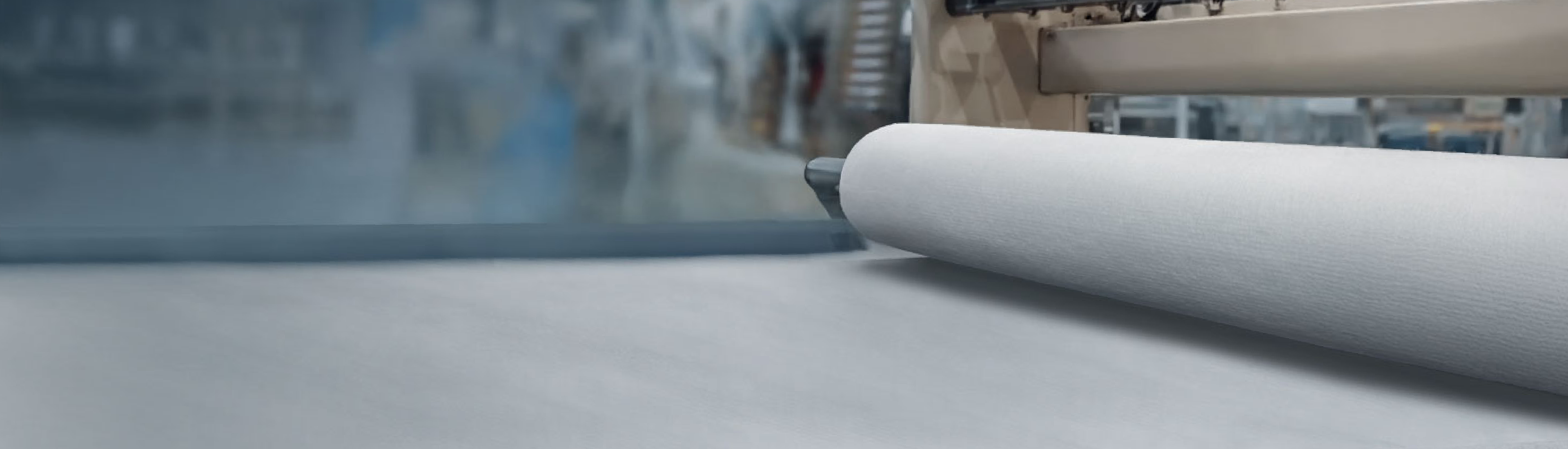
LFJ's fiberglass cloth is precision-woven from high-quality continuous fiberglass yarn, possessing excellent mechanical strength, dimensional stability, and reliable heat protection properties. This type of fiberglass cloth is specifically designed for harsh industrial environments and can serve as a high-strength, non-combustible barrier for high-temperature insulation, equipment sealing, and personnel protection.
Product Overview
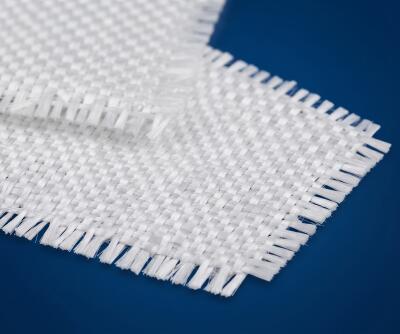
When buying fiberglass fabric, the specification usually carries two numbers: weight and thickness. Those tell you how much material is in the cloth. They tell you nothing about how it will behave. Behaviour is decided by weave construction, at the same 600 g/m², a plain weave and a satin weave are two different materials in your hands.
Plain weave interlaces over-one, under-one: the tightest construction, the most dimensionally stable, the most resistant to yarn slippage, and the least likely to ravel at a cut edge. It is also the stiffest, with the poorest conformability to curves. Plain weave is the usual choice for coating substrate, because the stable structure takes coating evenly, and for fire curtains and flat insulation layers.
Twill weave has fewer interlacing points, giving noticeably better softness and higher tear strength than plain. For elbows, flanges and valves, curved but not extreme geometry, twill is the sweet spot: conformable enough, without becoming loose.
Satin weave has the fewest interlacing points, the best softness and drape, and can follow complex curves without wrinkling, with the smoothest surface. The trade-off is a relatively open structure, edges that ravel more readily, and slightly lower abrasion resistance. When you are covering irregular equipment or sewing a close-fitting jacket, satin is often the only construction that will do it.
LFJ Group weaves all three in-house, and before quoting we will ask one question: what shape are you covering? Because choosing the wrong weave does not simply perform a little worse, the cloth will not fit, or it wears through at the fold within months. This is the practical difference between us and a fabric trader: a trader sells you a stock specification, we select the weave for the application.
The material itself provides the fundamentals of the glass textile range: 100% inorganic, completely non-combustible, asbestos-free, non-irritating to skin, excellent electrical insulation, chemically resistant, light yet strong, soft and easy to cut and sew. Continuous service temperature is 550–700°C, covering most industrial pipe insulation, fire barrier and electrical insulation requirements. If your requirement exceeds 700°C, see High Silica Fabrics instead.
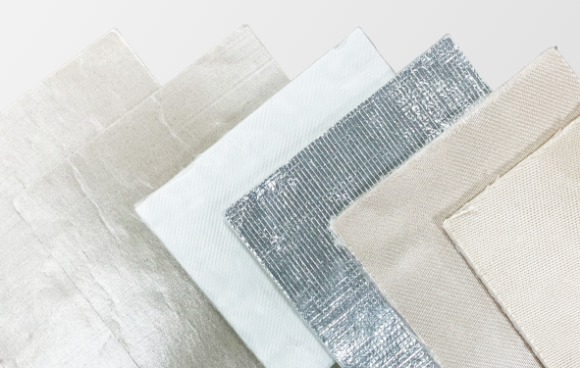
For post-treatment, the fabric can be coated (teflon, silicone, PU, aluminium foil, vermiculite), multi-layer laminated, or sewn to drawing into removable jackets and protective covers. Founded in Taiwan in 1975, ISO 9001 and IATF 16949 certified. Tell us the shape, the temperature and whether post-treatment is needed, and we will recommend the weave and specification together. Request a Quote.
Features
- 100% inorganic, completely non-flammable, and asbestos-free
- Excellent Electrical Insulation for High-Temperature Service
- Plain weave, Twill weave, Satin weave
- Lightweight and high-strength, Easy to Cut and Sew
- Good Chemical and Corrosion Resistance
Main applications
- High-temperature pipe and steam line insulation wrapping
- Fire curtains, fire barriers and passive fire protection assemblies
- Welding curtains, spark blankets and personnel protection screens
- Base fabric for removable insulation jackets and protective covers
- Substrate for coated fabrics and laminated finished parts
- Expansion joint covers and flexible duct connectors
- Release and cushion layers for composite moulding
- Marine engine room fire division linings
- Thickness: 0.1mm~2.0mm
- Width: Max. 2M
- Weight: 200~1200 g/m²
- Weaves: Plain, Twill , Satin
- Warp and weft: Determined by weave method and weight.
- Color: White
- Flammability: Non-flammable
- Post-processing: desizing, pre-shrinking, coating, lamination, sewing
(√ Specified specifications on request. Please provide the shape being covered, service temperature and any post-treatment requirement.)
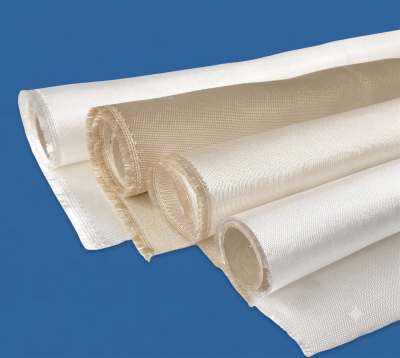
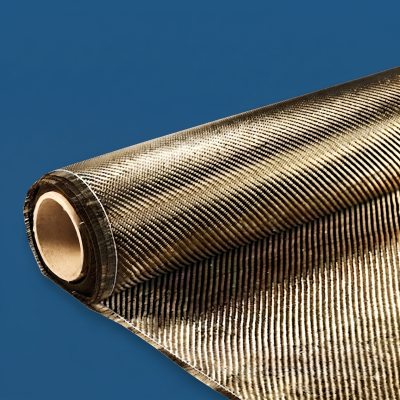
- Roll material (custom width and length)
- Post-processing extended base fabric
1. At the same weight, what does weave construction change, and how do I choose?
Weave decides how the cloth moves; weight only decides how much material is in it. Plain weave interlaces over-one under-one, with the most interlacing points and the tightest structure, dimensionally stable and ravel-resistant, but the stiffest and least conformable. Use it for coating substrate, fire curtains and flat insulation. Twill has fewer interlacing points, moving softness and tear strength up a level, and is the best balance for elbows, flanges and valves. Satin has the fewest interlacing points: the softest, best-draping, smoothest surface, able to follow complex curves without wrinkling, at the cost of a looser structure and edges that ravel more readily. The rule is simple: the more curved the object, the fewer interlacing points you want. Plain for flat, twill for moderate curves, satin for complex curves or close-fitting sewn parts.
2. Can the fabric be post-treated, and can LFJ supply finished parts?
Yes, and this is the practical difference between LFJ and a fabric trader. Desizing, pre-shrinking, coating (teflon, silicone, PU, aluminium foil, vermiculite, polyurethane), multi-layer lamination and sewing to drawing are all carried out in our own plants.