

Ceramic fiber products

Ceramic fiber is a lightweight, high-temperature insulation material . At LFJ Group, we use high-purity raw materials and advanced technology to manufacture top-tier ceramic fiber products , providing ultimate thermal management solutions. Designed for extreme industrial environments, our products offer exceptional temperature resistance from 1260°C to 1600°C . They guarantee excellent thermal insulation, extremely low thermal shrinkage, and outstanding thermal shock resistance.
In addition to thermal shielding, LFJ's ceramic fibers offer high tensile strength, efficient acoustic absorption, and robust chemical resistance against harsh corrosives. From industrial high-temperature furnaces to specialized thermal shielding protection, our customized solutions ensure maximum energy efficiency, structural durability, and precise temperature control for your most demanding applications.
Common error definitions
The most common specification error in ceramic fiber procurement is mistaking the classification temperature for the continuous operating temperature. Ceramic fiber blankets classified as 1260°C are not materials that can operate at 1260°C for extended periods. The classification temperature defines the upper limit of structural survival under laboratory conditions, while the actual continuous service temperature is usually 150–250°C lower than that figure, and will further decrease with furnace atmosphere, mechanical load, and the frequency of heating and cooling cycles.
The true engineering advantages of ceramic fibers are often misattributed. Low thermal conductivity is a fundamental requirement for any insulation material, but ceramic fibers differentiate themselves by their "low heat storage." Because over 90% of their structure is porous, they store almost no heat. Kilns lined with ceramic fibers heat up and cool down faster. For batch kilns and annealing furnaces that operate daily, the energy saved during the heating phase often exceeds the energy saved during steady-state insulation. This is why kiln designers specify ceramic fibers for periodic operations and dense refractory bricks for continuous operation. Thermal shock resistance stems from the same structure: the fiber matrix absorbs dimensional stress through minute displacements between fibers, rather than accumulating into crack propagation. Therefore, rapid heating and cooling do not cause spalling.
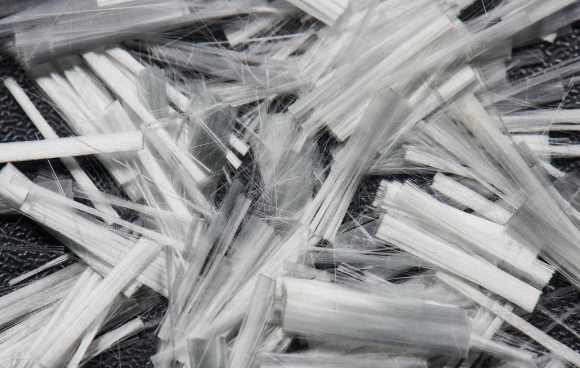
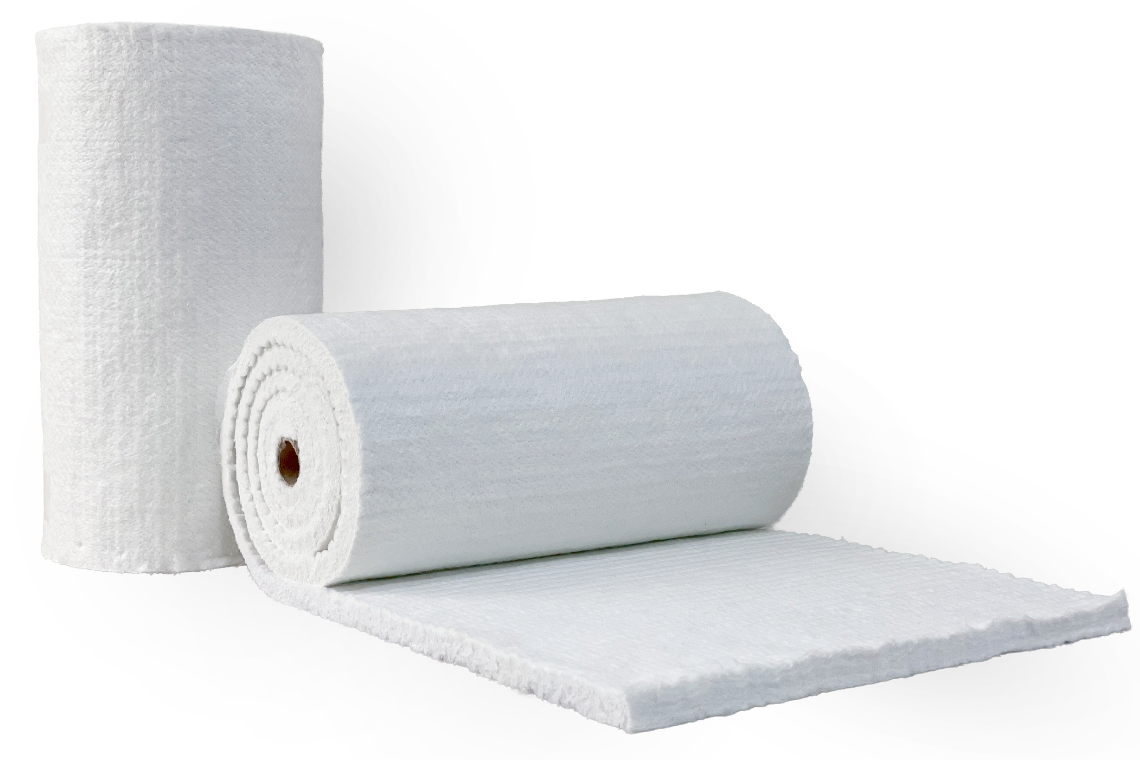
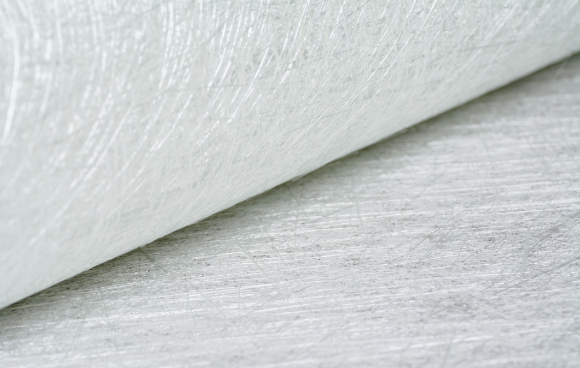
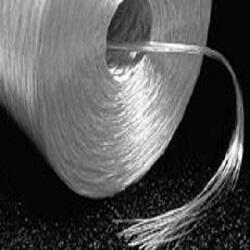
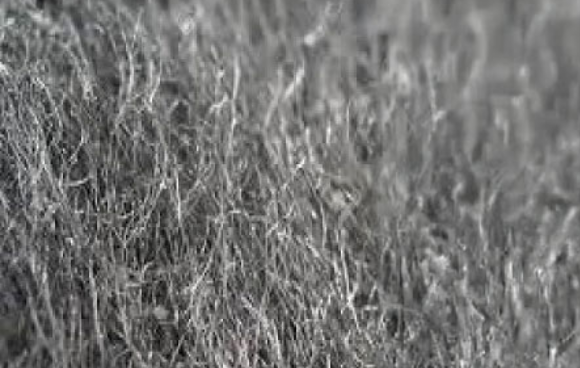
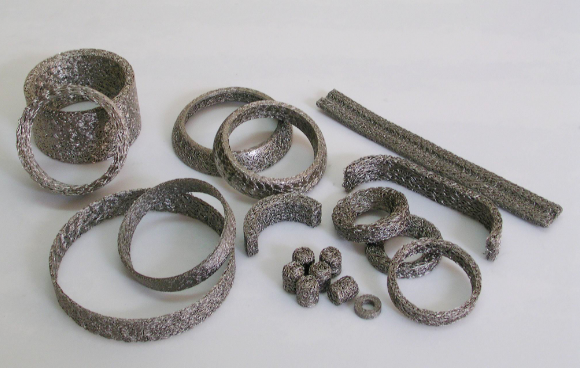
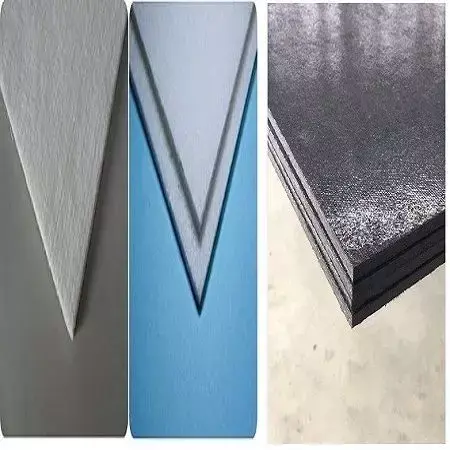
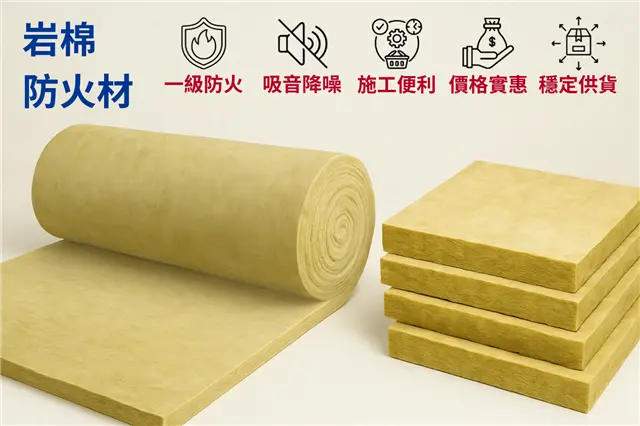
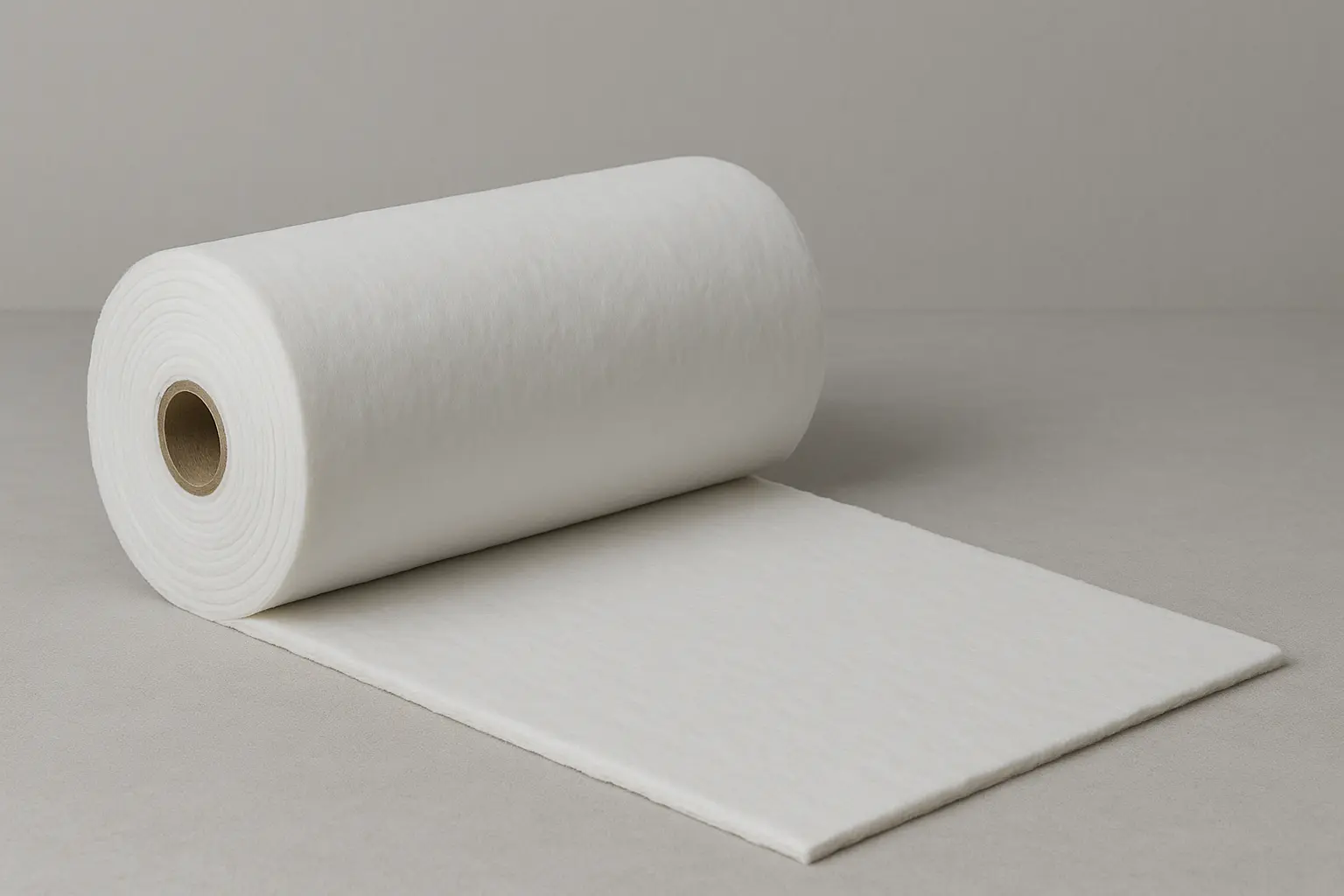
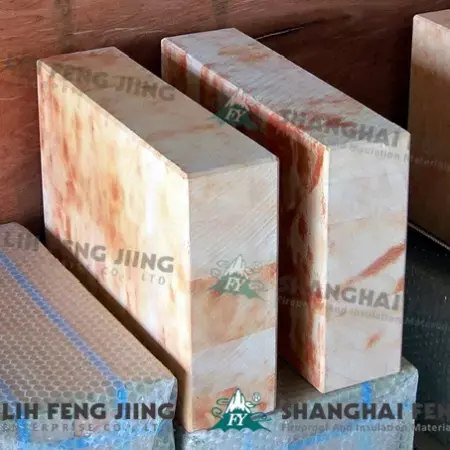
Lifengjing produces a complete range of eight types of ceramic fiber products, each corresponding to different parts of high-temperature equipment: blankets for furnace walls and roof coverings, boards for load-bearing hot-surface plates, paper for gaskets and expansion joints, cotton bricks for modular linings, molded parts for burners and irregularly shaped furnace openings, loose cotton for gap filling and blending with amorphous materials, soluble (AES) grade for markets regulated by RCF classification regulations, and stainless steel wire reinforcing fabric ropes for flexible seals for continuous operation at 1000°C.
Please provide the operating temperature, furnace atmosphere, and heating/cooling cycles so our technical team can assist with model selection. Inquire now.
FAQ
Q: Where are ceramic fiber products mainly used?
A: Common applications include fire door interlayer insulation, kiln wall gap filling, household appliance insulation, and industrial equipment sealing insulation; in the petrochemical and energy industries, it is used for insulation of boilers, pyrolysis furnaces, annealing furnaces, glass kilns, and high-temperature pipelines.
Q: What types of ceramic fiber sub-products does Lifengjing offer?
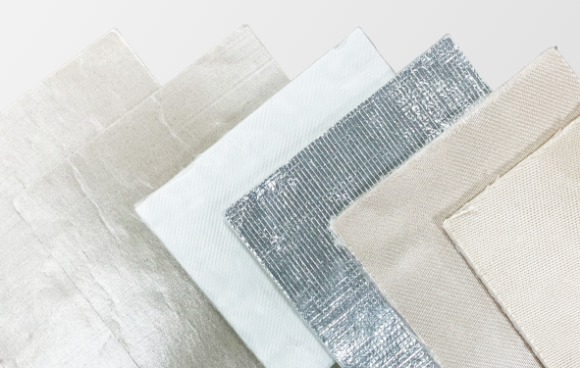
A: Our product line comprises eight categories: ceramic fiber loose cotton, ceramic fiber blankets, ceramic fiber paper, ceramic fiber cotton bricks, ceramic fiber boards, ceramic fiber molded parts, soluble ceramic fiber products, and ceramic fiber cloth ropes and tapes. Among them, the cloth ropes and tapes are woven with ceramic fiber yarn and reinforced with stainless steel wire, which can withstand temperatures up to 1000°C for a long time, and are lightweight, high-strength, flexible, and easy to cut.
- Ceramic loose fiber
- Ceramic fiber blanket
- Ceramic fiber paper
- Ceramic fiber moudule
- Ceramic fiber board
- Ceramic fiber molded parts
- Soluble ceramic fibers
- Ceramic fiber cloth, tape, rope
