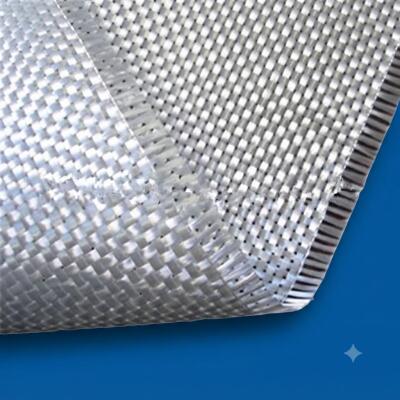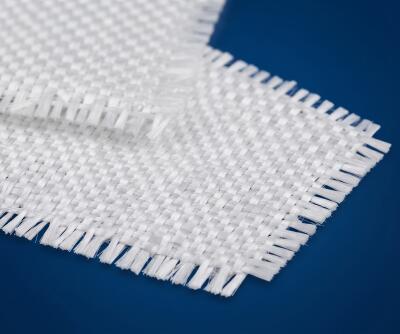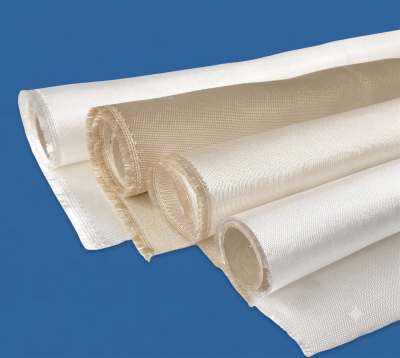
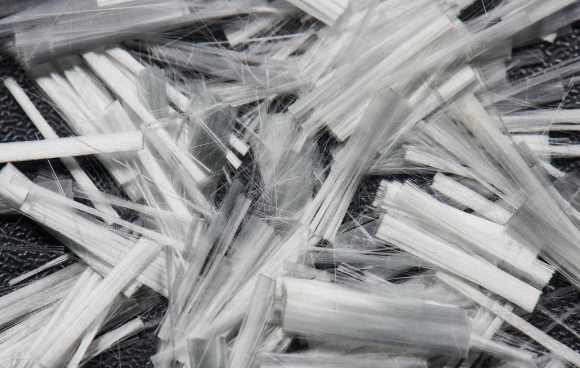

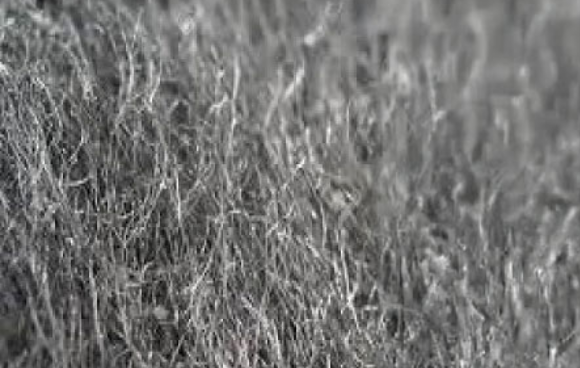
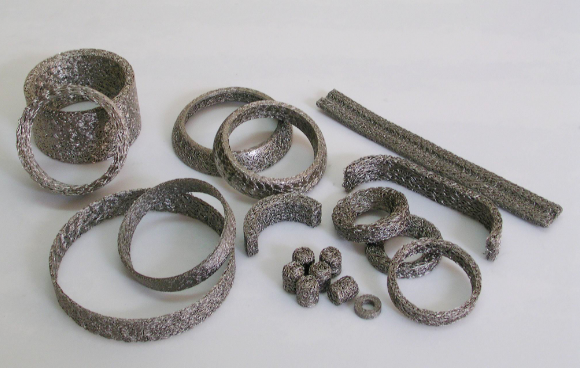

Basalt Woven Fabrics(Surface Treatment Available)

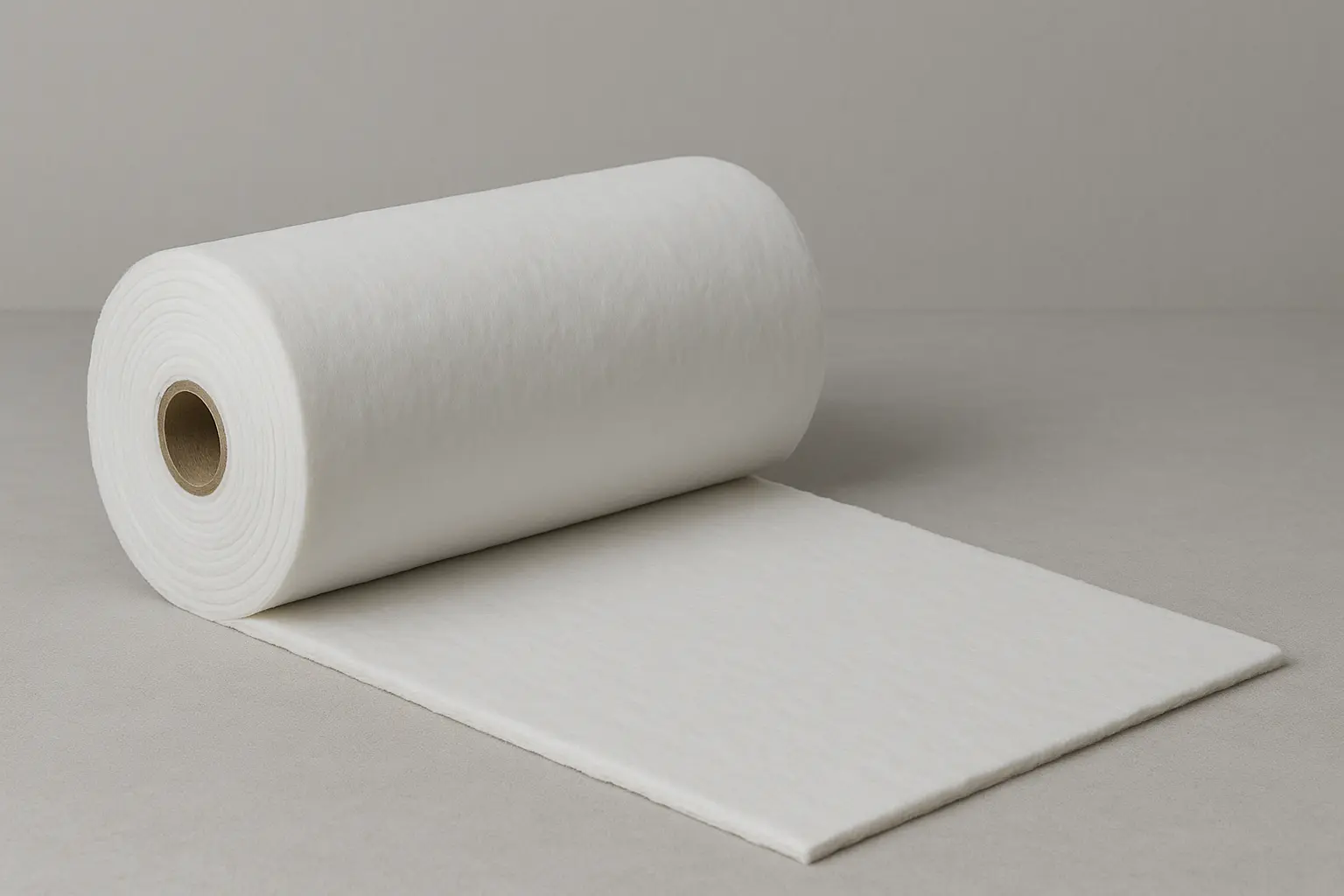
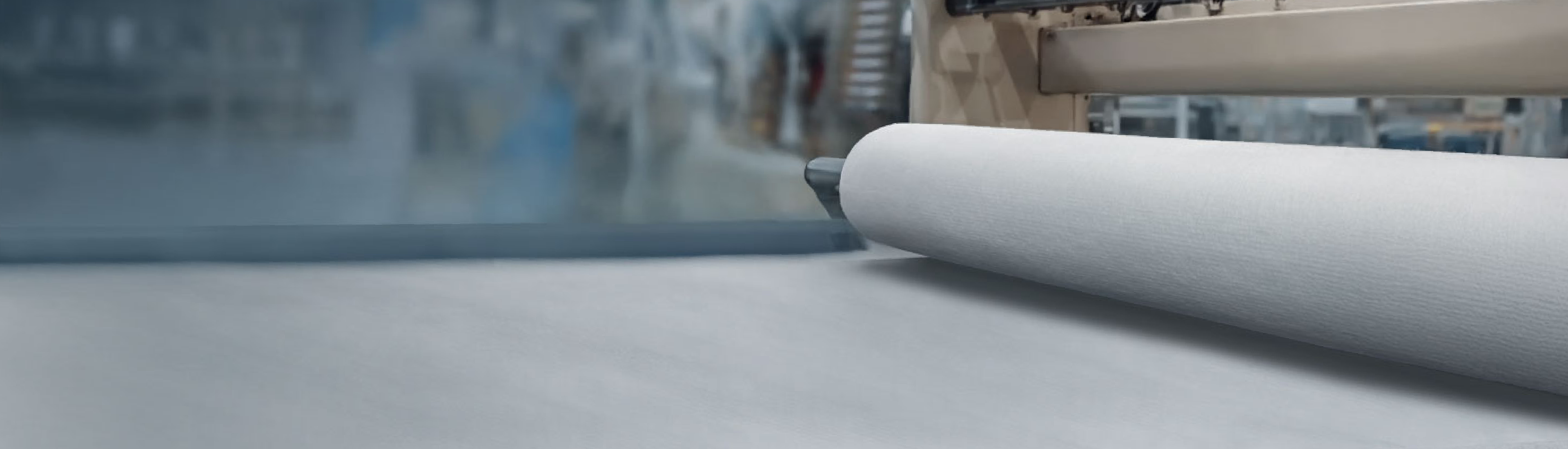
LFJ's Basalt Woven Fabric is precision-woven from 100% pure, continuous volcanic basalt filaments. Boasting exceptional tensile strength, outstanding thermal stability (up to 700°C), and excellent resistance to chemical corrosion, this high-performance inorganic material bridges the gap between standard fiberglass and silica. Completely non-toxic and eco-friendly, it serves as the ultimate non-combustible substrate for automotive exhaust wraps, extreme industrial thermal blankets, and advanced composite reinforcements.
Product Overview
When engineering extreme thermal management solutions, balancing performance and cost is a constant challenge. Standard E-Glass fiberglass reaches its limit at 550°C, while high-silica fibers, though extremely heat-resistant, come at a premium cost. To bridge this gap, LFJ introduces 100% natural Basalt Woven Fabrics, offering the most cost-effective, high-tier thermal protection solution.
Basalt fiber is manufactured by melting pure, natural volcanic rock at extreme temperatures of 1500°C and extruding it into continuous filaments without any chemical additives. This gives the fabric its natural dark brown color and a tensile strength 15-20% higher than standard fiberglass. It operates stably in continuous temperatures up to 700°C, featuring excellent acid/alkali resistance and low moisture absorption. Whether used as cryogenic insulation or high-temperature exhaust shields, basalt woven fabric delivers impeccable durability and is a truly green material aligned with modern ESG eco-friendly trends.
Features
- Exceptional Thermal Stability
- Superior Mechanical Strength
- Excellent Chemical Resistance
Main applications
- Automotive & Motorcycle Exhaust Insulation
- Heavy Industrial Thermal Protection & Jackets
- Advanced Composite Substrates
- Material: 100% Continuous Basalt Fiber
- Continuous Operating Temp.: Max. 700°C
- Short-term Max Temp.: 750°C
- Area weight: 200~1200 g/m²
- Weaves: Plain, Twill , Satin
- Flammability: Non-flammable
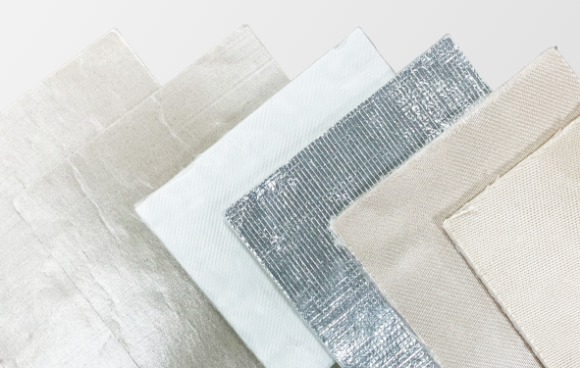
- Post-processing: Coating, Lamination
(√ Specified specifications on request. Please provide the shape being covered, service temperature and any post-treatment requirement.)
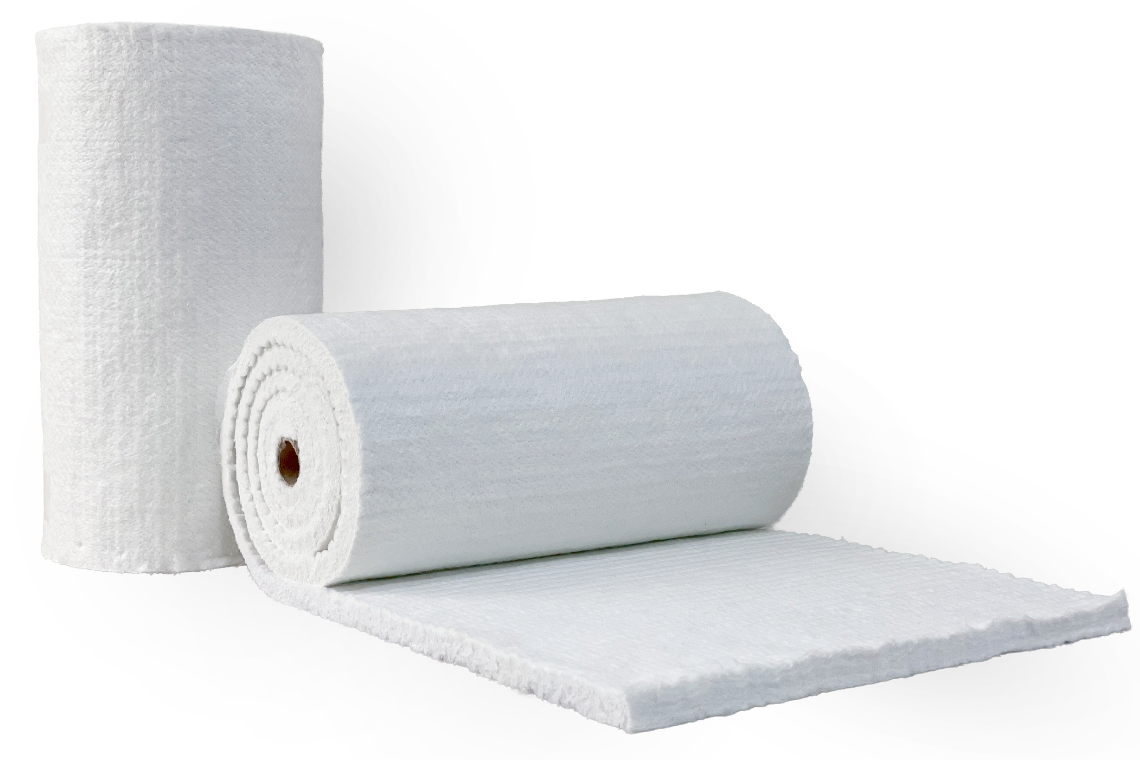
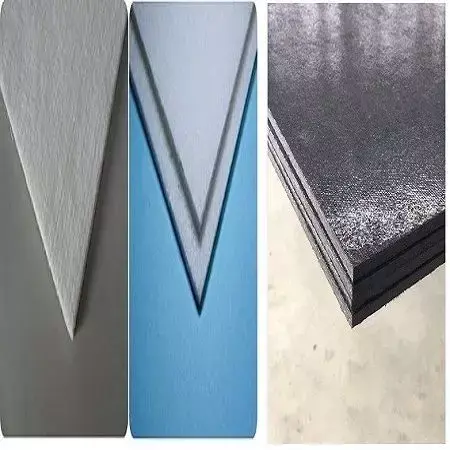
- Uncoated Basalt Fabric
- Coated Basalt Fabric
- Laminated Basalt Fabric
1. What is the main difference between Basalt Woven Fabric and standard E-Glass Fiberglass Fabric?
The primary differences lie in temperature limits and mechanical strength. Standard E-Glass fiberglass has a continuous temperature limit of around 550°C, whereas basalt fiber can withstand up to 700°C. Furthermore, basalt fibers possess a higher tensile strength, higher elastic modulus, and natural resistance to acids and alkalis. If your application temperatures range between 550°C and 700°C, basalt fabric is the most cost-effective alternative to expensive high-silica fabrics.