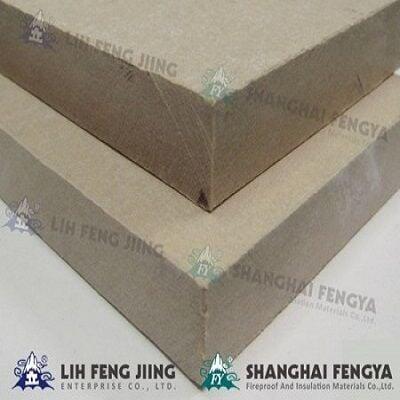


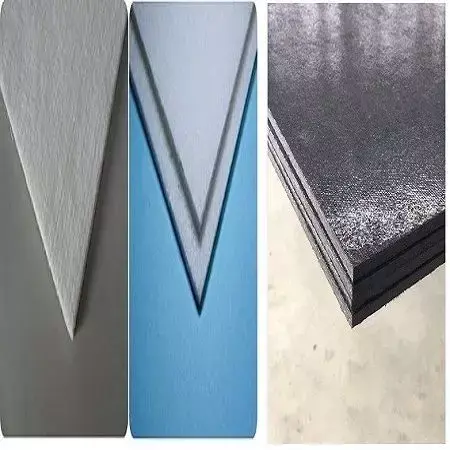
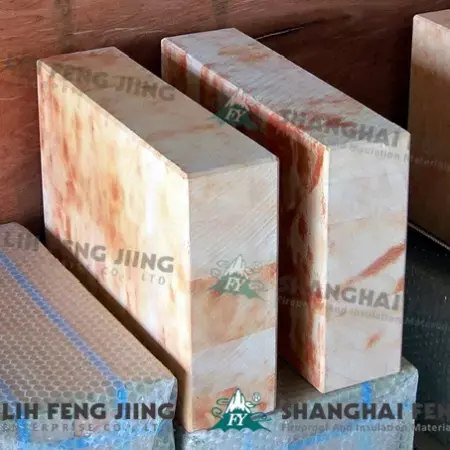
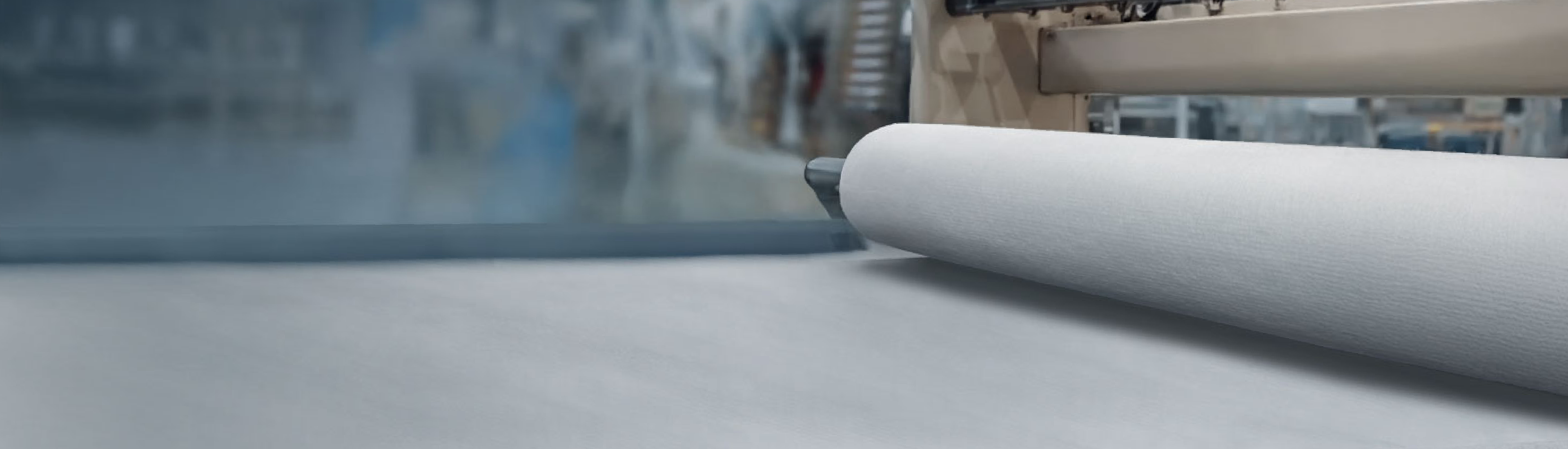
Non-Wetting Boards (1000℃)

Rejecting Dross Adhesion and Thermal Stress: The Perfect Channel and Transfer Interface for Extreme Heat Processes
Product Overview
LFJ supplies aluminized steel sheets that are high-grade structural refractory materials specifically developed for non-ferrous metal metallurgy, aluminum casting, and the glass industry. Their special high-purity formula provides a natural non-stick property to molten aluminum at high temperatures, completely preventing slagging; at the same time, the fine surface ensures that hot glass is not scratched during transport. They can withstand continuous temperatures up to 1000°C and possess excellent thermal shock resistance and ultra-low thermal conductivity. With superior CNC machinability, they are the ultimate substrate for manufacturing precision flow channels, hot-top casting components, and glass pusher plates, ensuring process purity and significantly reducing heat loss.
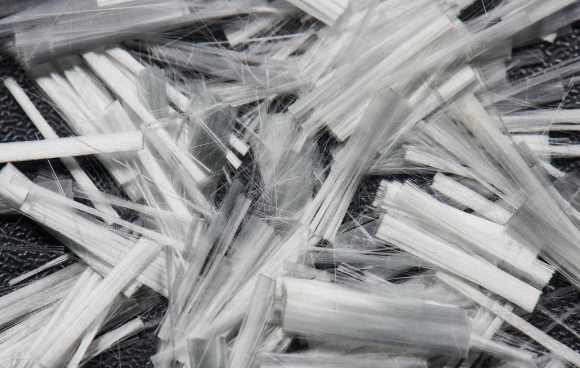
Made from special heat-resistant materials and inorganic reinforcing fibers, it has excellent high-temperature stability and machinability. It can maintain structural strength and dimensional accuracy for a long time in harsh high-temperature environments and is widely used in glass manufacturing equipment and high-temperature insulation structures.
In aluminum die-casting and high-temperature glass forming processes, material transfer interfaces face immense challenges. Molten aluminum is highly penetrative and easily reacts with traditional firebricks, causing dross buildup that leads to melt contamination and frequent furnace downtime. In glass manufacturing, freshly formed "hot glass" is extremely fragile; contact with transfer plates that conduct heat too rapidly or have rough surfaces easily causes thermal stress micro-cracking or surface scratching. LFJ’s Non-Wetting Boards are engineered specifically to eliminate these industry pain points.
We utilize a high-purity composite formed under extreme pressure. This specific formulation endows the board with an outstanding "non-wetting" property, allowing molten aluminum to flow smoothly over the surface like water on a lotus leaf. Furthermore, it combines ultra-low thermal conductivity, robust thermal shock resistance, and a fine, smooth surface texture. It will not crack or spall upon sudden contact with molten aluminum, and it provides perfect cushioning and insulation when contacting hot glass. Whether machined into precision casting launders or pusher pads on glass production lines, it ensures temperature stability and ultimate quality during high-heat material transfer.
Product Core Features
- Superb Machinability
- Superior Thermal Shock Resistance & Insulation
- Fine, Smooth, and Non-Scratching Surface
- Ultimate Non-Wetting Properties
Main applications
- Glass Manufacturing Handling Components
- Melting & Holding Furnace Linings
- Hot-Top Casting Components
- Launders, Troughs & Distribution Pans
| Product Categories | Specifications | |||||
| density | thickness | width | length | |||
| KG/M3 | mm | mm | mm | |||
| Aluminum resistant sheet | 840 | 12.7 19.1 25.4 28.5 31.8 38.1 44.5 50.8 76.2 101.6 | 4' ( 1260 ) | 4' ( 1275 ) 8' ( 2550 ) | ||
| ※Special specifications and sizes can be requested upon inquiry. | ||||||
- Plate-shaped
- CNC machining and milling
1. What is the difference between a Non-Wetting Board and a standard high-temperature insulation board?
The fundamental difference lies in chemical inertness and resistance to molten aluminum penetration. If standard high-temp insulation boards contact molten aluminum, the melt penetrates the pores, triggering chemical reactions that rapidly corrode and crumble the board. LFJ's Non-Wetting Board features a unique dense structure that completely blocks molten aluminum at the surface, making it the only structural board designed for direct, sustained contact with molten aluminum.