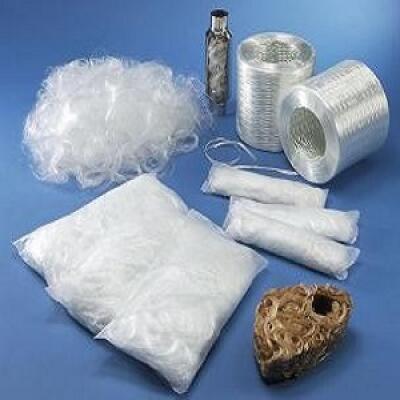
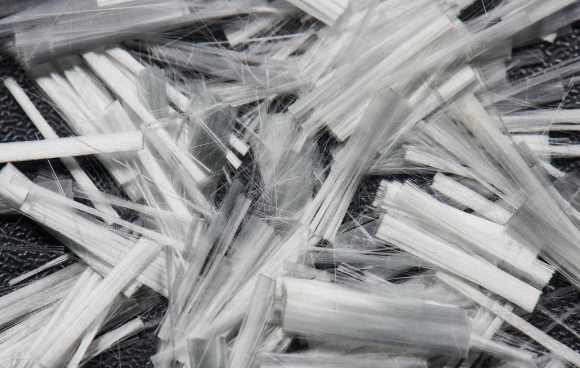


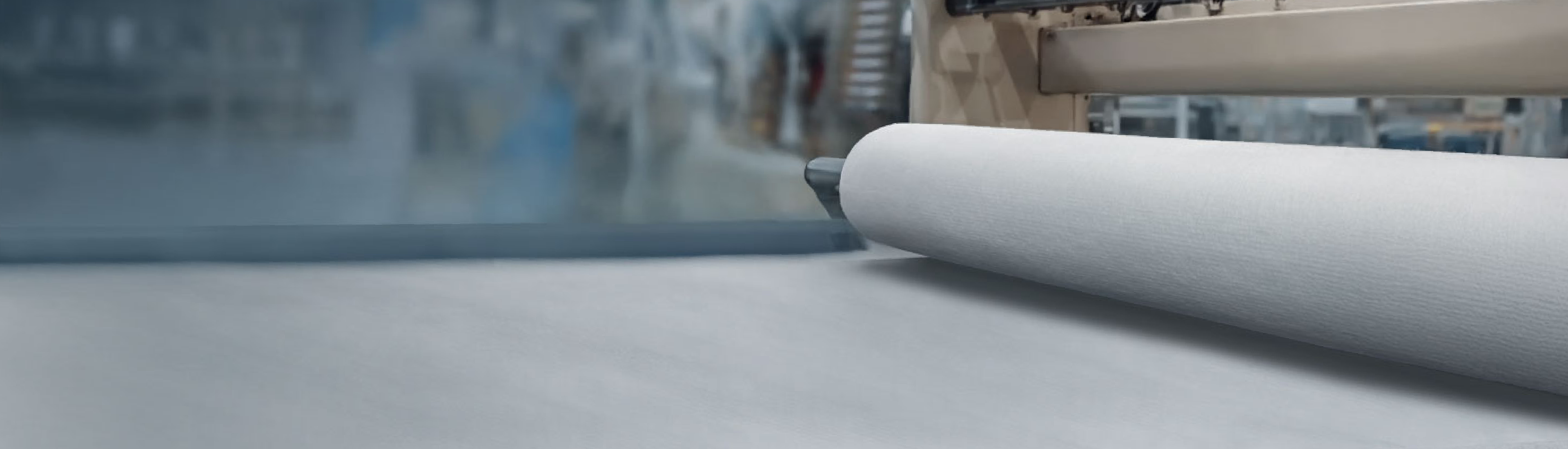
FECM Direct Roving ECR (750°C)

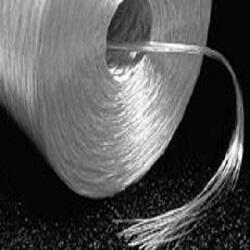
LFJ FECM direct roving is made of ECR glass fiber, specifically designed for direct injection into the muffler housing. It requires no bag material, no carrier, and no intermediate processes; the roving enters the muffler as a continuous filament, interlocks and forms around the perforated tube, and is then fixed in place. It is continuously resistant to temperatures up to 750°C and acidic condensate.
Product Description
FECM direct roving is a form used in production lines that supply self-filled mufflers. The fibers are then directly blown into the muffler housing and formed around a perforated tube. Nothing else enters the muffler, no bag material, no carrier lining, and no adhesive.
It has the advantages of high temperature resistance, strong heat insulation, and corrosion resistance. Direct yarn does not require excessive chemical adhesives and is tightly packed in the silencer tube, making it less likely to be blown away by airflow or deteriorated by high temperature.
Features
- Directly injected into the muffler housing, without a carrier.
- ECR boron-free, acid-resistant exhaust condensate
Main applications
- High-temperature exhaust system
Product Specifications
Type | ECR fiber |
Fiber Filament | 24µm |
Density (TEX) | 2400, 4800, 7200 |
Resistant Temp. | 730~750℃ |
Color | White |
20' Loadable q'ty | Approx. 20 tons |
Specified specifications on request
Product Series
- Exhaust system filling
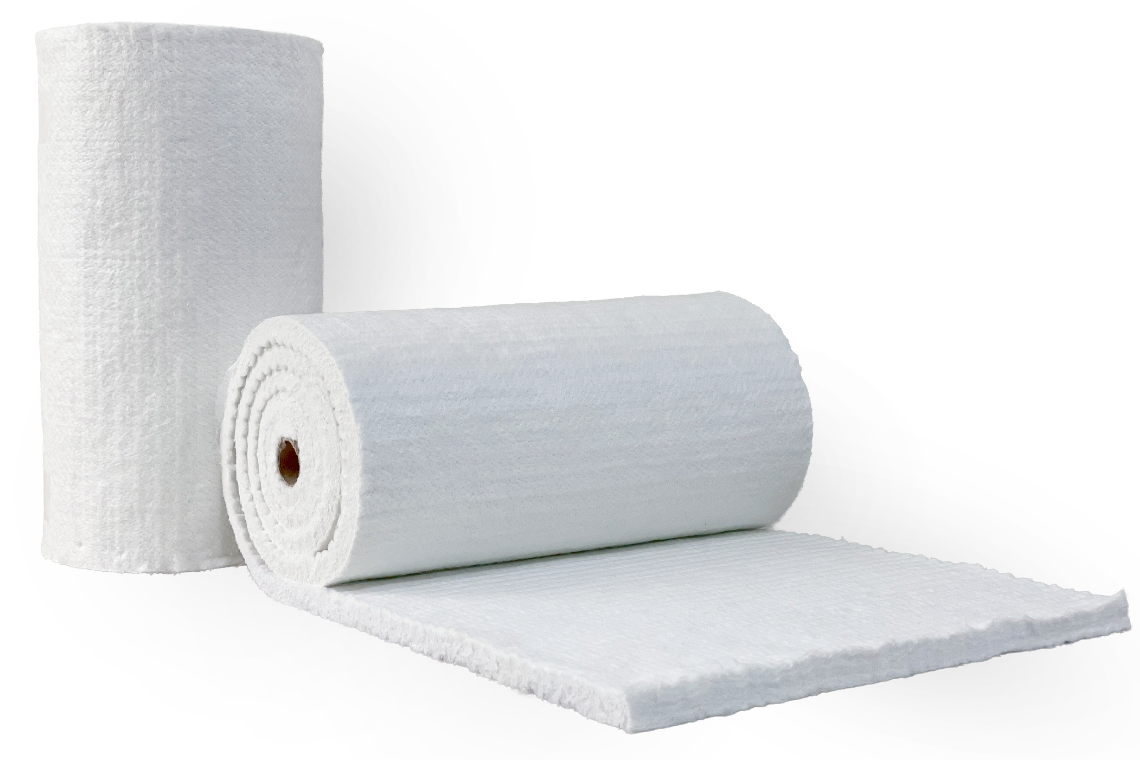
- High-density filling blanket processing
FAQ
1. Why is ECR specified rather than standard E-glass for exhaust packing?
The driver is condensate chemistry, not peak temperature. Combustion produces sulfur and nitrogen oxides that form acidic condensate during cold starts and short-trip driving, and that liquid pools in the bottom of the silencer between operating cycles. Standard E-glass contains boron and leaches under sustained acid contact, progressively losing tensile strength at the fiber surface. ECR is boron-free and formulated for corrosion resistance, and additionally carries a higher continuous service temperature — 750°C against 650°C for E-glass. Motorcycles, scooters and short-commute vehicles run cold most often and see the most condensate, which makes ECR the correct specification for them.
2. What is the advantage of blowing roving directly into the silencer rather than using bagged or mat packing?
Direct blowing is the only method that introduces zero organic material into the silencer. Bagged packing uses a perforated bag that burns off on the first heat cycle, producing a short period of smoke and odour; mat packing avoids the bag but still involves a formed intermediate. With direct blowing the roving goes from doff to gun to shell, so the only thing inside the silencer is glass. First start produces no smoke, no smell and no residue — which is why direct blowing is the standard specification for high-volume OEM lines and for programmes where in-silencer cleanliness is written into the requirement. It also removes a handling stage and its associated inventory, which is the reason it dominates automated fill stations.