

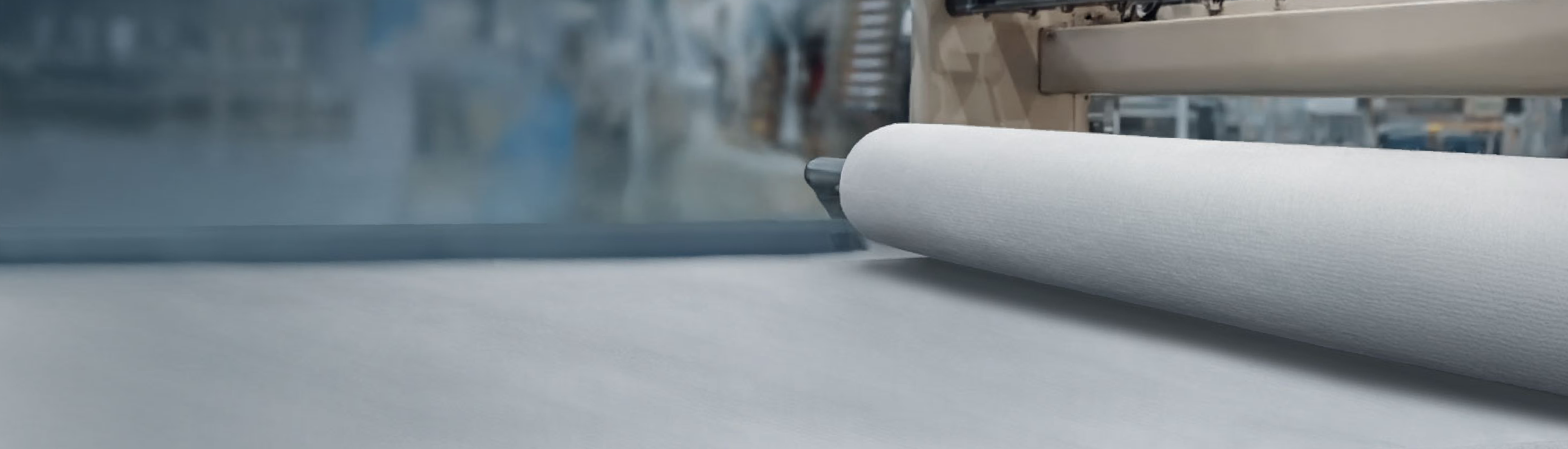
Ceramic loose fiber

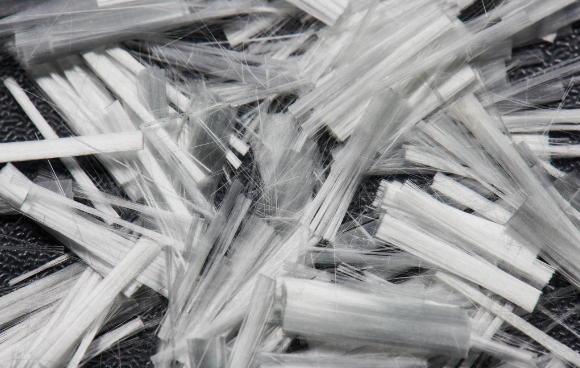
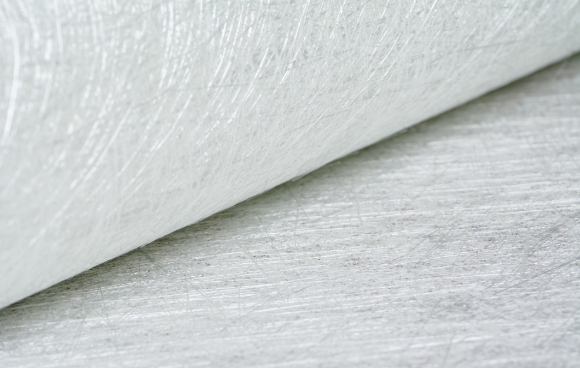
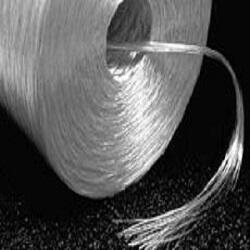
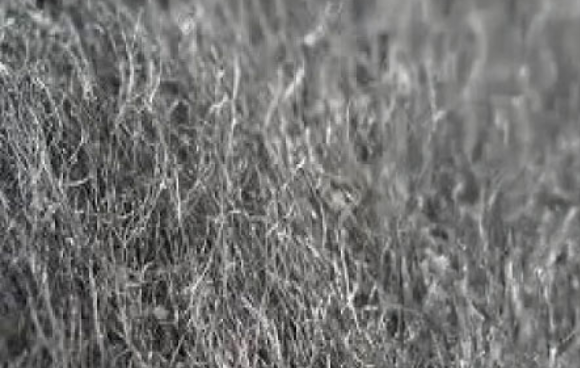
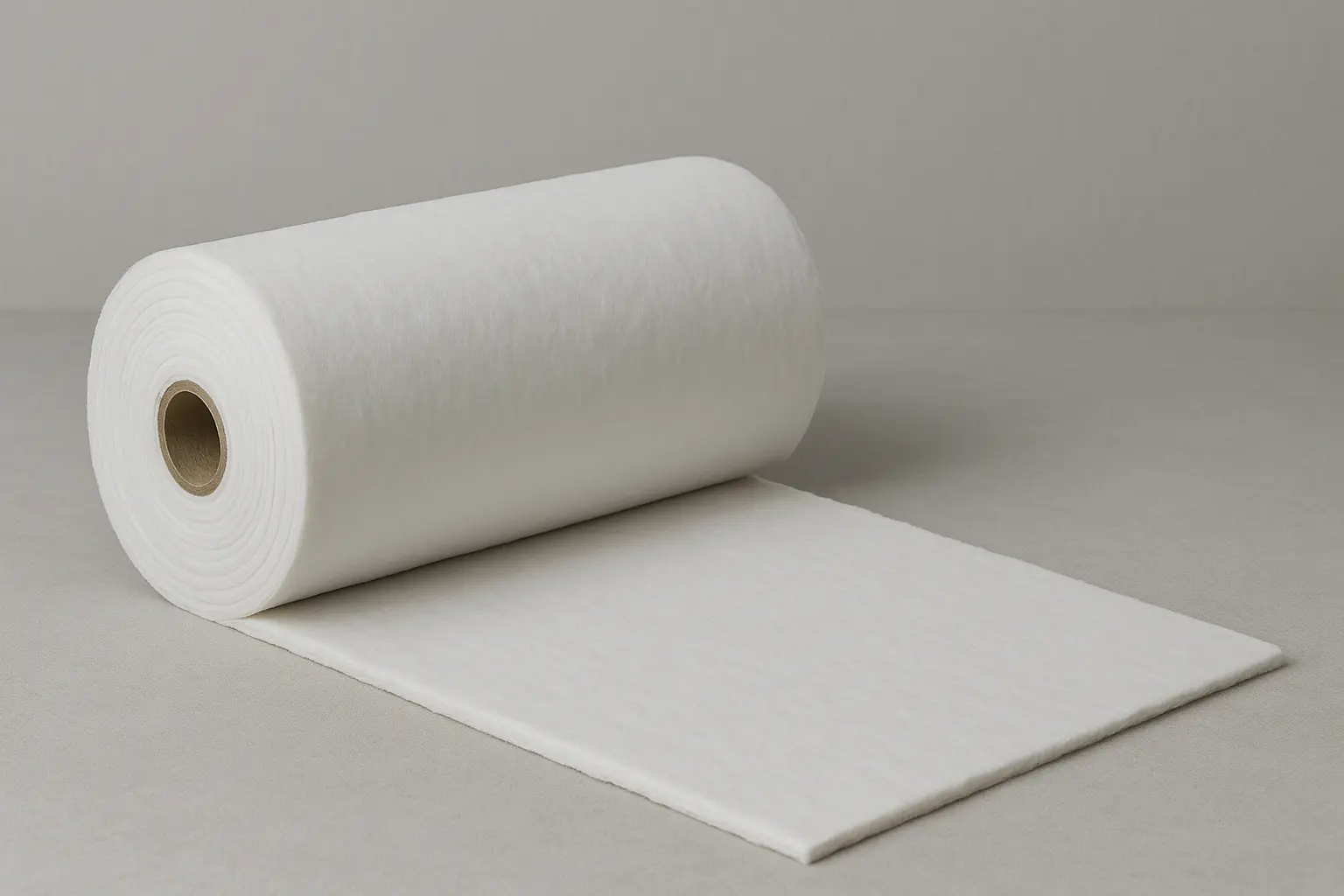
Ceramic loose fiber, unformed spun or blown fibers, is used for gap filling, blending of unshaped refractories (castables, plastics), and reinforcement of refractory formulations. It is supplied in an unbonded state as a base material for all other forms, suitable for filling irregular gaps in kiln walls and equipment chambers on-site.
Product Overview
Loose fiber is the starting point for all ceramic fiber products, and the manufacturing process determines what it's best suited for. Spinning uses centrifugal spinning to produce long, continuous fibers with a relatively low slag ball content (slag balls are unfiberized glassy particles formed during the melting process). Blow-blown fibers are produced using high-speed airflow, resulting in shorter fibers and a higher slag ball content, but at a lower cost. Suppliers who only list "ceramic fiber loose fiber" without specifying the manufacturing process conveniently omit the most critical variables for your application.
This difference is practical, not academic. Low-slag-balling, long-spun fibers are essential for downstream blanket, textile, and paper manufacturing, and also provide the interlocking properties needed for gap filling. High-slag-balling, blown fibers, on the other hand, are the correct and more economical choice for blending castables and plastics. In these applications, the fiber acts as a dispersive reinforcing phase, not a self-supporting component; the slag-balling content actually contributes to the bulk density. Ritsufeng offers two processes for each of its three temperature grades, clearly listing the slag-balling content and average fiber length in the specifications, rather than leaving customers to discover this only upon delivery. Inquire now.
Features
- Dual process of spinning and blowing
- It can be used as a reinforcing phase in castables, plastics, and refractory formulations.
Main applications
- Irregular gaps between the kiln wall and the furnace shell are reinforced with monolithic refractory materials (castables, plastics) and fibers.
- High-temperature structural expansion joint filling
- Equipment chamber and gap insulation filling
- Vacuum forming slurry raw materials
Product Specifications
Classification temperature | 1260/1400/1600°C |
Element | Al₂O₃–SiO₂ (±ZrO₂) |
Average fiber diameter | 2.8–3.5 μm |
Legal Classification | RCF Classification |
We can provide price quotes for specific specifications upon request.