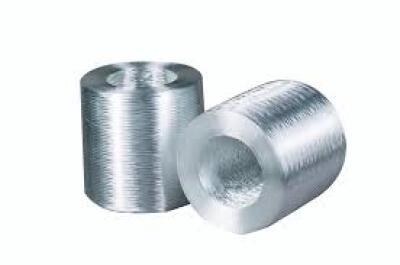



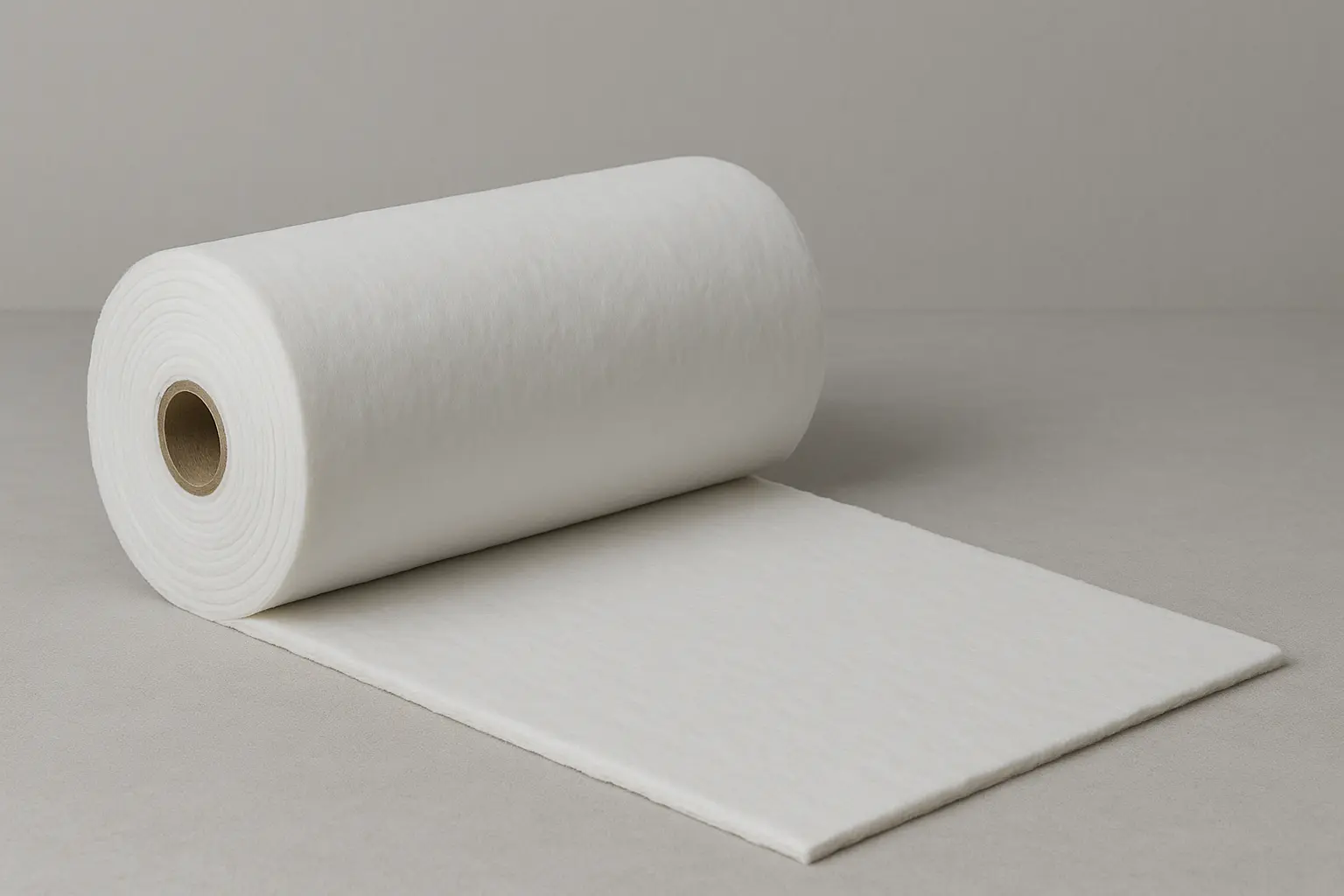

Pre-Blown Continuous Roving (bagged)

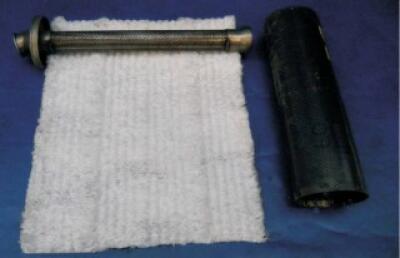
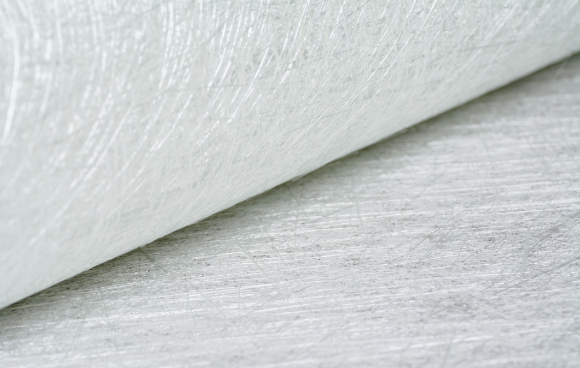
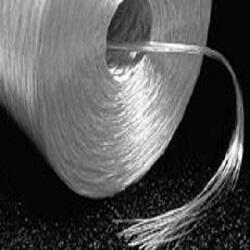
The blow-blowing process is handled by LFJ, so your production line doesn't need to do it yourself. We in-house inflate the FECM direct roving with high-pressure airflow before spraying it into perforated bags, the bag size customized to your silencer chamber. Customers simply place the bag into the housing; during the first heat cycle, the bag disappears, and the continuous yarn bundle unfolds and automatically wraps around the perforated tube. You can achieve factory-level density control without owning an inflator spray gun. 750°C, IATF 16949 certified.
Product Description
The pre-blown continuous fiberglass bags are all manufactured under the process control of LFJ. What arrives at your production line is a pre-blown filler bag. The operator simply places it into the housing and closes the assembly; assembly is quick and convenient.
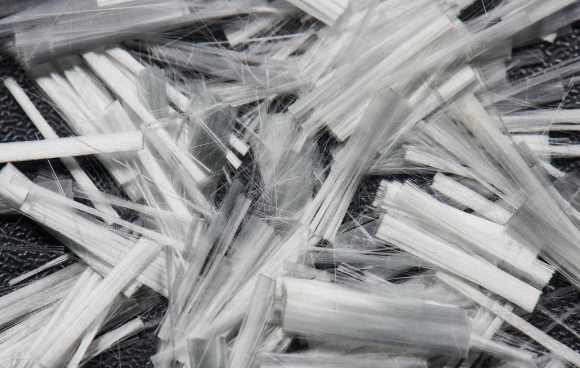
The glass formulation is ECR: boron-free, continuously resistant to 750°C, and specifically formulated to resist acidic condensation that accumulates in the muffler during cold starts and short-distance driving. The bag is made to fit your chamber volume and target weight.
Features
- The purging process is completed by Lifengjing.
- Easy to assemble
- Continuous filament ECR
Main applications
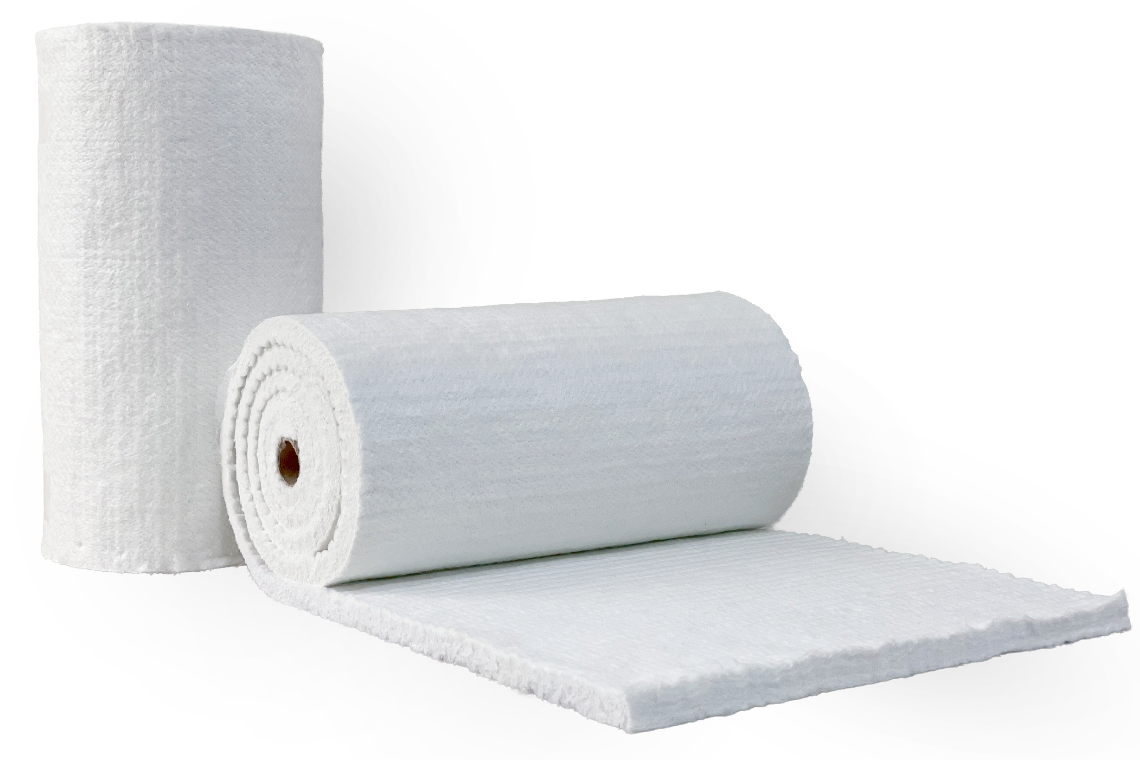
- High-temperature exhaust system filling
Product Specifications
Type | ECR fiber |
Fiber Filament | 24µm |
Density (TEX) | 2400, 4800, 7200 |
Resistant Temp. | 730~750℃ |
Color | White |
Weight/bag (gram) | On requested |
Bag Dimension | Refer to drawing |
20 Loadable q'ty | Approx. 20 tons |
Specified specifications on request
Product Series
- Exhaust system filling
FAQ
1. What actually happens to the bag and the fiber after the engine is started?
The bag is a delivery vehicle, not a permanent enclosure. On the first heat cycle it degrades and disappears, typically between 200 and 400°C, releasing the fiber charge inside. Because that charge is a single continuous strand rather than loose chopped fiber, it does not simply fall into a pile, under exhaust pulsation and thermal expansion it deploys, opening out and winding itself around the perforated tube to occupy the annular space as one interlocked body. The packing geometry that ends up in service is effectively the same as a direct-blow fill station produces. There is a brief burn-off during that first cycle, noticeable as a short period of light smoke and odour, after which nothing of the bag remains functionally present.
2. Can bags be made to our specific silencer, and how do we specify them?
Yes, and they are made to your dimensions rather than sold in stock sizes, a stock bag in a non-matching cavity reintroduces exactly the density variation the bag exists to eliminate. To specify, provide the silencer cavity volume, the perforated tube outside diameter and packed length, your target packing density, and whether the silencer has multiple packed chambers. LFJ calculates fill mass and bag geometry, blows samples for acoustic validation, and quotes line-side or retail-packaged supply with lot traceability under IATF 16949.