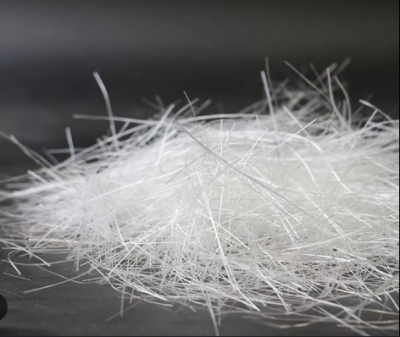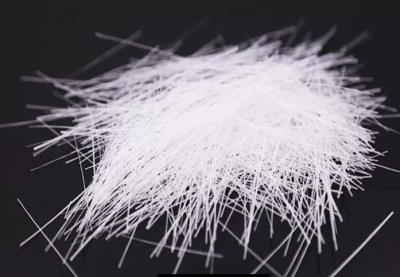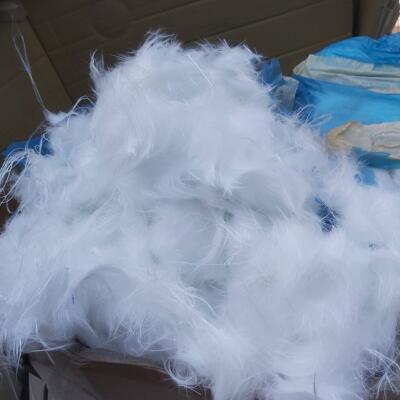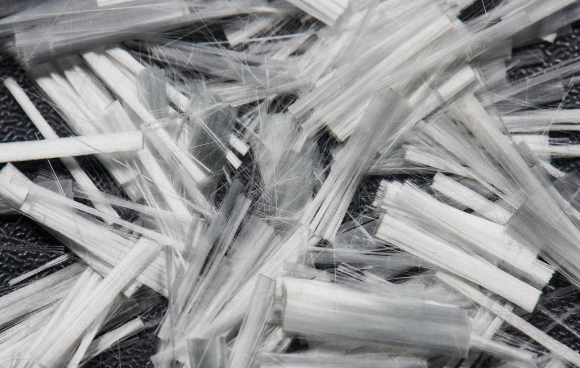

ECR Glass Fiber Chopped Yarns

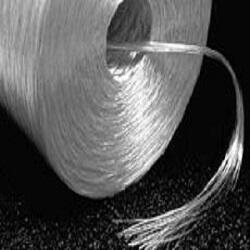
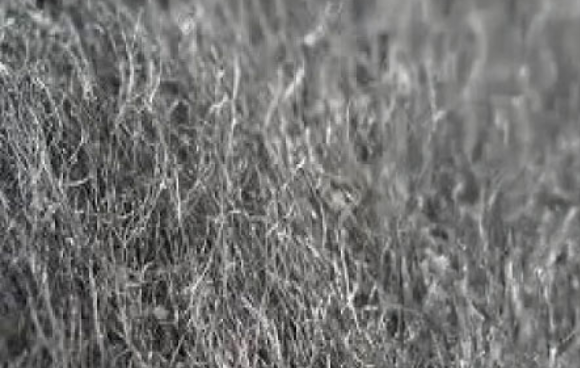
Engineered for environments that demand more than just heat resistance, our ECR Fiberglass Chopped Yarns are precision-cut from premium continuous filaments. Unlike standard E-glass, the boron-free ECR formulation provides unparalleled endurance against acidic and corrosive environments, making it a critical raw material for heavy-duty industrial and automotive applications.
Product Overview
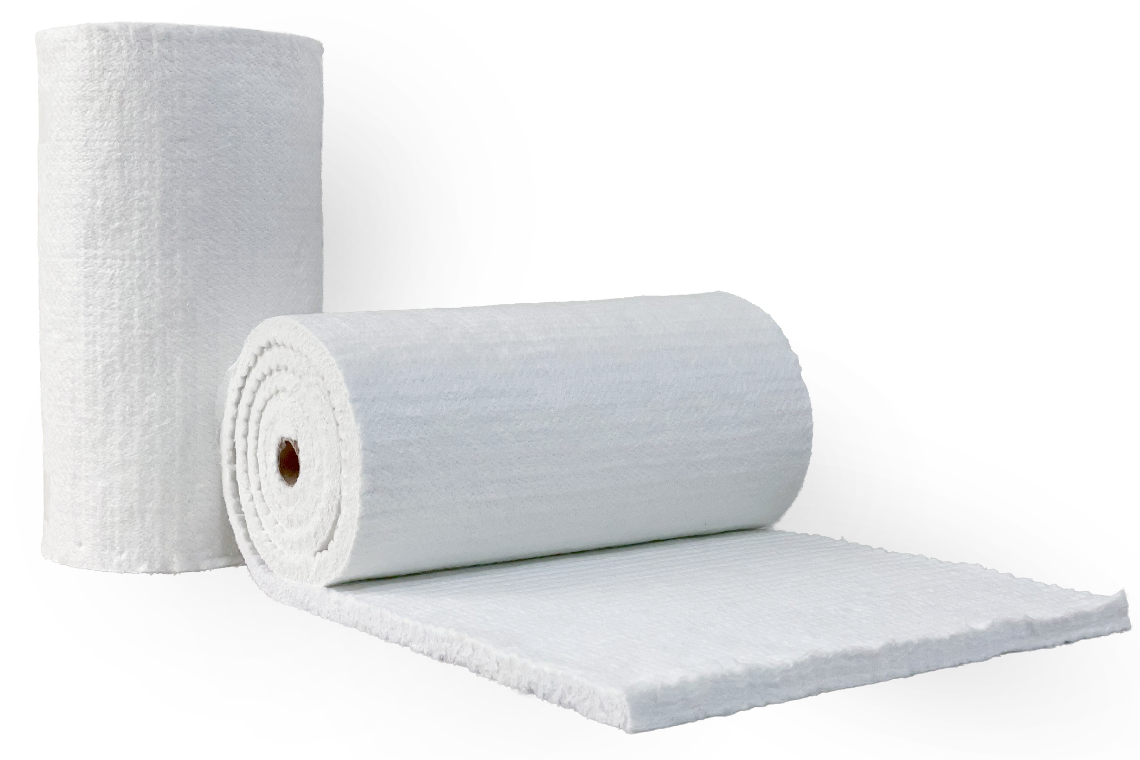
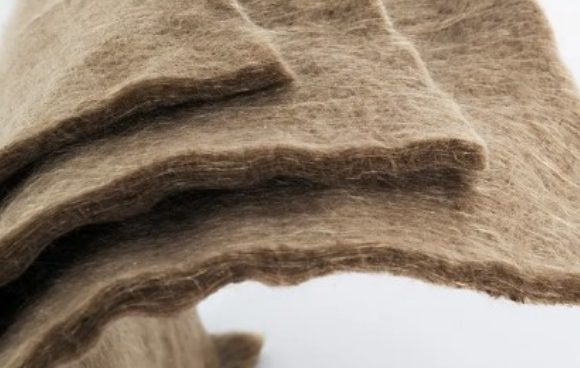
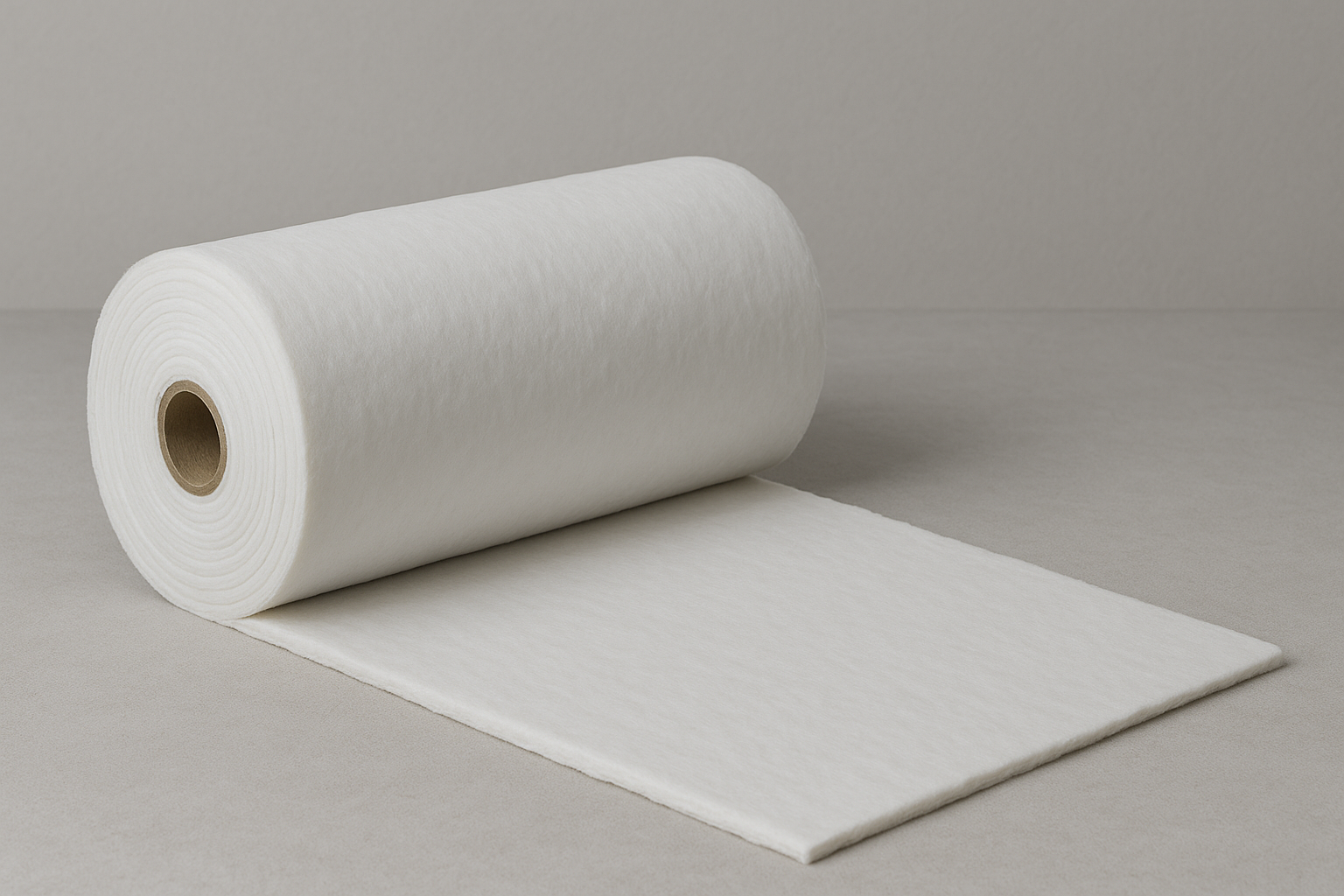
These ECR chopped yarns serve as the ultimate base material for manufacturing high-performance fiberglass needle mats.
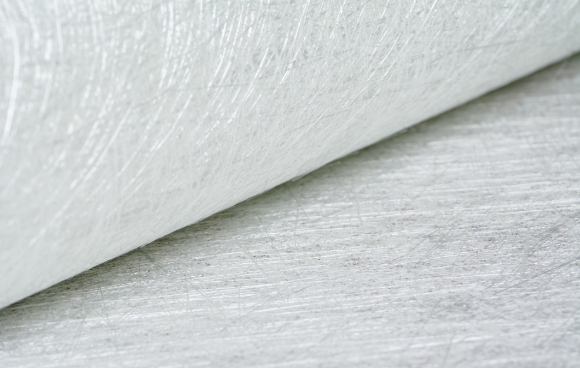
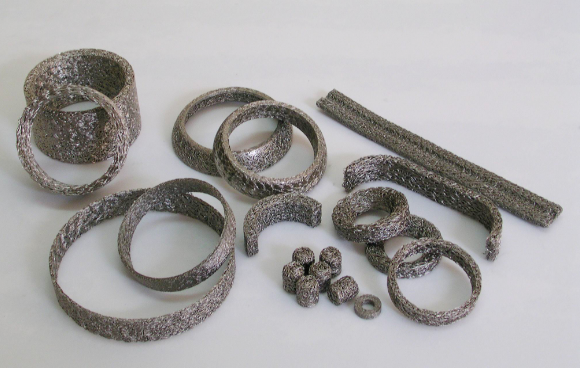
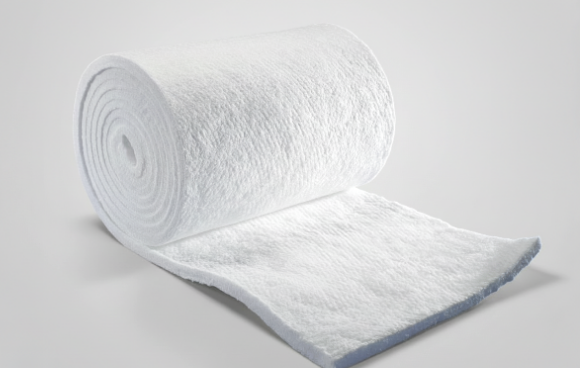
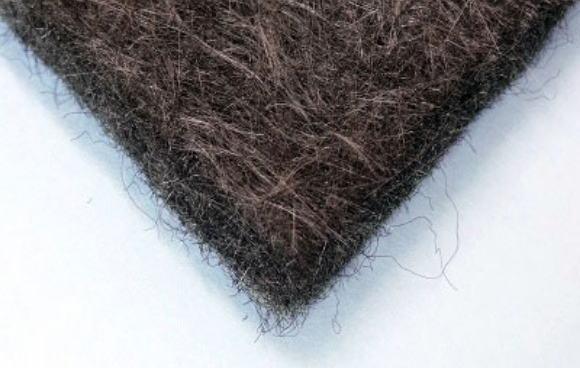
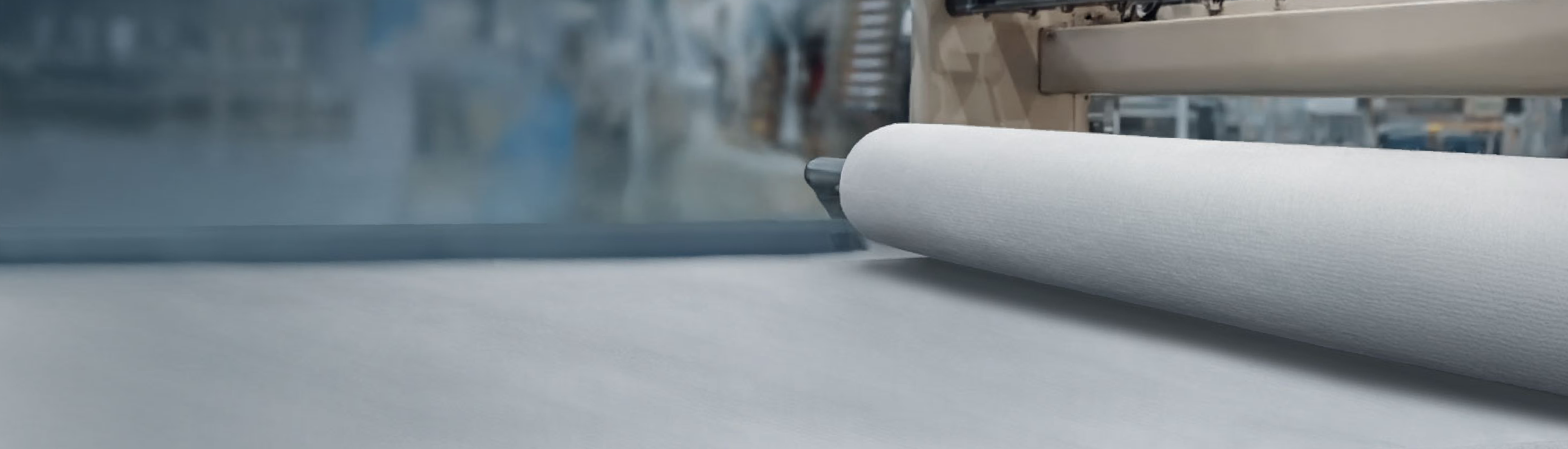
Through advanced needle-punching processes, the chopped strands are mechanically interlocked into a dense, binder-free felt. The resulting ECR needle mat delivers outstanding acoustic damping and thermal insulation. This synergy is particularly highly valued in automotive and motorcycle exhaust systems.
Key Features
- Boron-free
- Exceptional Corrosion Resistance
- Exceptional Thermal Stability
- Optimized Dispersion
- Non Combustibility
Main Applications
- Nonwoven Blankets
Technical Specifications
| Tyle | ECR Glass Fiber |
| Fiber Filament | 13µm±2 |
| Fiber Length | 50~100mm |
| Resistant Temp. | 750℃ |
| Color | White |
| Mostiture Content | ≤2% |
| Heat Loss | ≤3%(750℃x4hours) |
| 40' Loadable q'ty | 40Tons |
Specified specifications on request
Series of Products
- Needle punch processing
FAQ
1. What is the main difference between ECR fiberglass and standard E-glass?
While standard E-glass offers good general thermal and electrical insulation, ECR glass is specifically formulated to be boron-free. This unique chemical composition gives ECR fibers significantly higher resistance to acidic and alkaline environments. For harsh industrial settings where both heat and corrosive chemicals are present, ECR fiber is the far superior choice.
2. Why is ECR fiber highly recommended for automotive and motorcycle exhaust mufflers?
Modern exhaust systems generate extreme heat alongside highly acidic condensates. Standard fibers often degrade, become brittle, and break down under these corrosive conditions, leading to fiber loss. ECR fiber actively combats this acidic degradation. It maintains its physical toughness and acoustic damping capabilities under high-pressure gas flow, significantly extending the lifespan and NVH performance of the muffler assembly.
3. How are LFJ's ECR fibers typically processed and applied in manufacturing?
At LFJ, we supply ECR fiberglass primarily in precision-cut Chopped Yarns and Direct Roving. These serve as premium raw materials that are easily integrated into downstream manufacturing. For instance, our chopped yarns are mechanically interlocked through advanced needle-punching processes to create dense, binder-free needle mats. These felts are then directly applied as highly durable acoustic and thermal barriers in automotive and heavy-duty industrial equipment.